




Navistar International is pressing for a delay in the implementation of the 2010 emissions mandate, pushing it back from the Jan. 1 deadline.
It's very much a go-it-alone strategy, as all the other truck and engine makers say they are on track with their technology solutions and would like the deadline to stay just where it is.
The Navistar argument is that it is a very bad economic environment for the introduction of new technologies that are bound to increase the sticker price of the equipment come 2010. The company is not saying what the level of shock will be, but an informed guess puts it between $6,000 and $10,000. Undoubtedly, the proponents of selective catalytic reduction - which is everyone but Navistar - will be at the higher end of any increases, since there are hardware plus research and development costs associated with SCR.
But the Navistar solution - significantly increased exhaust-gas-recirculation - has to have its development costs, too. And it will come with hardware costs, as well. More EGR means more heat rejection into the cooling system, so International's trucks will have to feature reengineered cooling packages to mate to its big-bore MaxxForce 11- and 13-liter engines.
And that development will run years after the deadline, because Navistar will use banked credits from its smaller, cleaner engines that have been well below the '07 emissions limits. This means that it will shoot for 0.5 g per hp-hr NOx - the highest EPA will allow even with credits - instead of the actual mandate of 0.2 g per hp-hr that all the other manufacturers will comply with at the due date.
Obviously, any delay in implementation of the next emissions step would give Navistar a little more breathing room to get down to the 0.2 g level before its credits run out.
The company says, though, that the call for a delay is in response to a study by NERA Economic
Consulting that it commissioned, which concludes the market response to the Jan. 1 deadline will be a disaster. NERA calls it a no-buy, no-buy, referencing the last two emissions events that saw a pre-buy and then a no-buy.
Adding fuel to the debate, the Owner-Operator Independent Drivers Association has seized on this piece of "research" to issue its own call for a delay in the implementation, saying with some very convoluted logic that staying with the deadline will lead to worse air quality.
Todd Spencer, executive vice president of OOIDA, serves the cause for clean air ill when he said, "It's the worst possible time for the trucking industry to take on a high-stakes gamble with no known level of reliability of the technologies or return on investment."
Talk to the SCR camp - which to reiterate, is everyone but Navistar International - and you'll hear the howls of protest. Spencer's comment is simply not true.
You only have to look to Europe, where something like 500,000 trucks are running every day using SCR technology to meet Euro 4 and the upcoming Euro 5 (which, because of some enlightened fiscal policy, is actually pulled ahead by users buying cleaner trucks today, not waiting till October 2009).
SCR works and, by the way, actually does have a payback, contrary to the rantings of OOIDA. In Europe, where the NOx limits are less stringent, the use of exhaust aftertreatment has allowed for engine optimization that has paid back 10 percent in fuel economy improvements. When it is applied here in North America it will deliver less but, even allowing for the cost of the diesel exhaust fluid required, will deliver a 3 percent economy improvement. Personally, I believe the engine manufacturers are under-promising in the hope they can over-deliver when the time comes.
Unfortunately for Navistar, more EGR means no opportunity to pick up fuel economy. The company argues that the overall economy of the MaxxForce big-bore engines is sufficiently good that its customers will be at no competitive disadvantage with fuel economy compared to its SCR competitors. Therein lies the gamble. Time will tell. Navistar just hopes the time will be later rather than sooner.
From the January 2009 issue of Heavy Duty Trucking.
Deadlines, Deadlines
Navistar International is pressing for a delay in the implementation of the 2010 emissions mandate, pushing it back from the Jan. 1 deadline
More Equipment
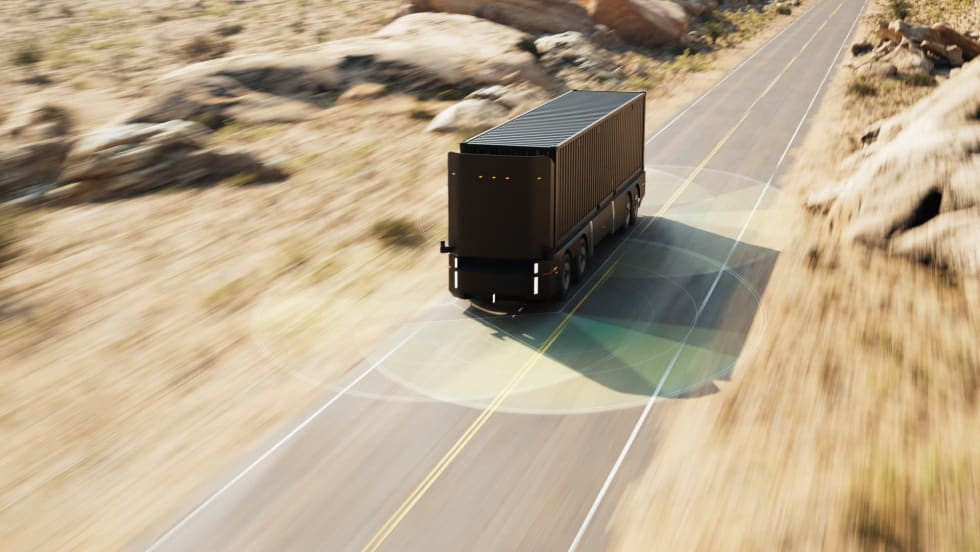
Autonomous Start-Up Humble Announces Cabless Autonomous Electric Hauler
A new autonomous truck startup company is targeting yard, port, and short-haul freight with a lighter, fully autonomous platform designed for dock-to-dock moves.
Read More →
Top Green Fleets of 2026: Nomination Deadline Extended
Is your company a leader in sustainability efforts among trucking fleets? If so, Heavy Duty Trucking's editors want to hear from you.
Read More →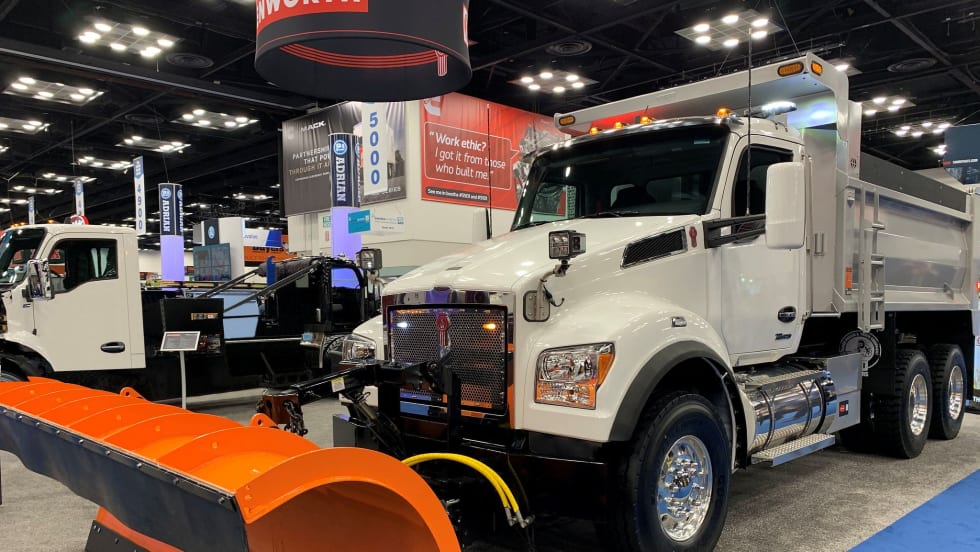
Kenworth Announces Reinforced Front Frame Option for T880 and T880S Models
Kenworth has released a factory-installed reinforced front frame option for T880 models, designed to simplify upfits, cut costs, and speed time to service.
Read More →
Stoughton Rolls Out PureBlue Reefer Trailer, Raises Safety Bar With 40-mph Rear Impact Guard
Stoughton’s new refrigerated trailer platform delivers double-digit efficiency gains while a next-generation rear impact guard exceeds current crash standards.
Read More →
New Lightweight Wheel Cover Targets Simpler Aero Gains [Watch]
Watch to learn how Deflecktor's new wheel cover design is taking a simpler approach to aerodynamics, with an eye toward making it more practical for both trucks and trailers.
Read More →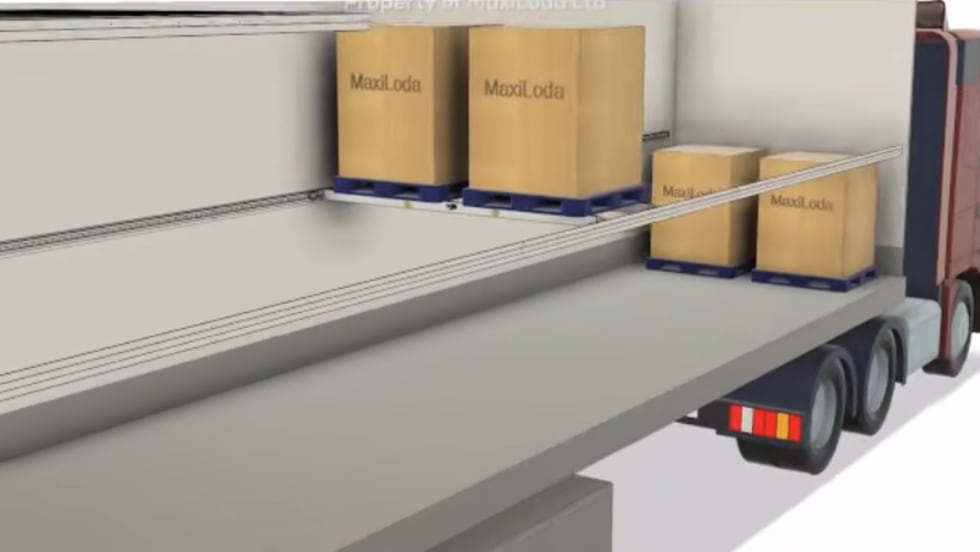
How Maxiloda’s Glide System Unlocks Hidden Trailer Capacity
By turning unused vertical space into usable capacity, Maxiloda’s Glide system helps fleets move more freight per trip while reducing loading risks and equipment damage.
Read More →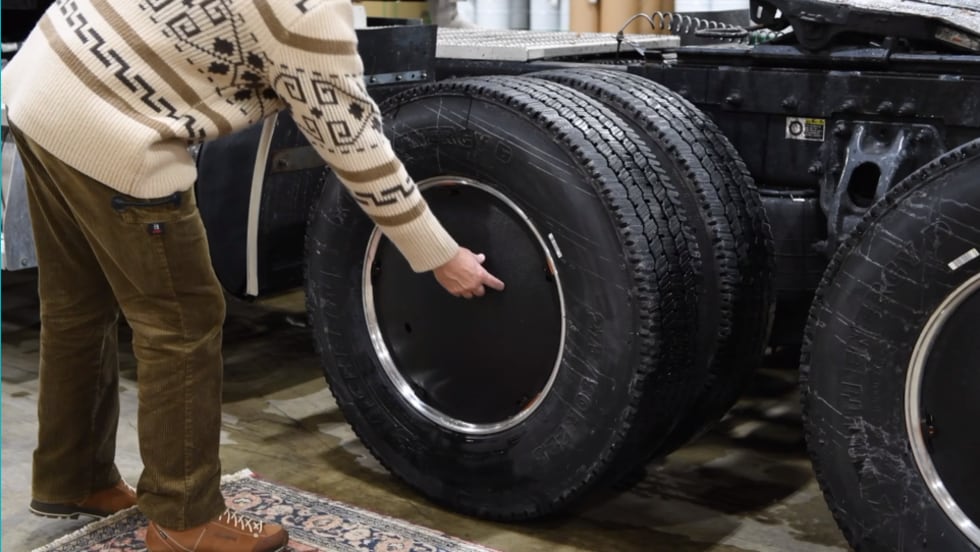
Deflecktor: Hubbub Aerodynamic Wheel Cover Cost-Effective Even for Trailers
Aerodynamic wheel covers can deliver small but meaningful fuel-economy gains for fleets, and Deflecktor says its latest design aims to make the technology easier and more affordable to deploy.
Read More →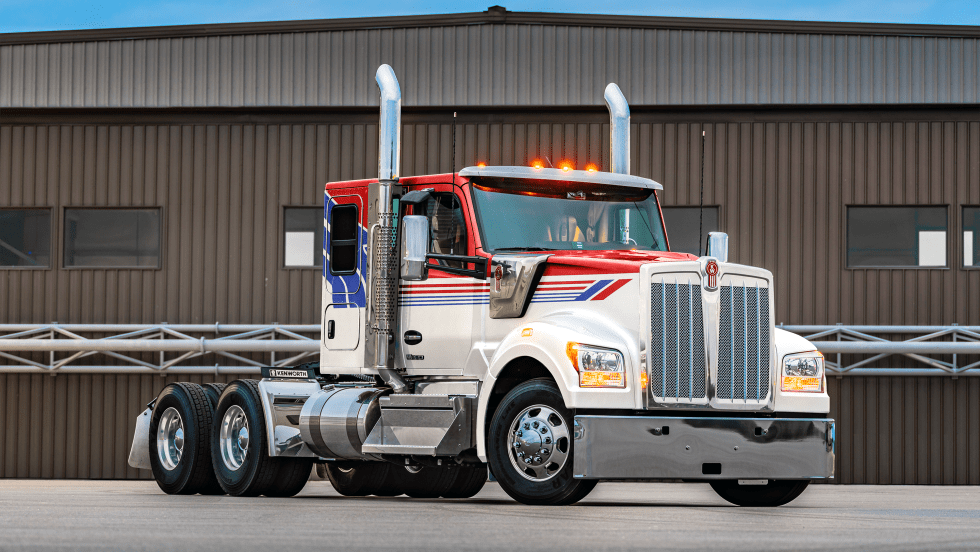
Kenworth Revives Iconic 'TourAmerica' Paint Scheme
Kenworth’s new, limited-edition scheme celebrates trucking heritage while supporting a nationwide mobile museum tour.
Read More →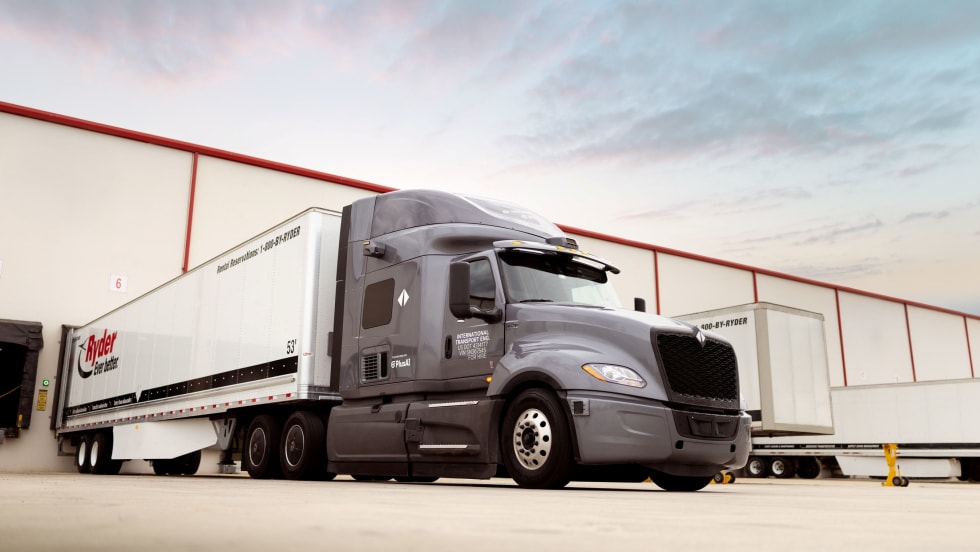
Ryder Joins International’s Autonomous Truck Pilot on Texas Freight Lane
Ryder and International take autonomous trucking out of the lab and onto a live, 600-mile Texas freight lane.
Read More →
FTR: Class 8 Orders Stay Hot in March Despite Monthly Dip
Fuel prices aside, Class 8 demand remains elevated as freight fundamentals improve and fleets regain confidence in long-term investments.
Read More →