




What do a pregnant woman from Maryland, a 48-year-old man from Ontario, and a driver in Seattle have in common? They are all victims of truck wheel-offs
-- a truck wheel flew off on the highway and struck their vehicles. Both the Ontario man and the Seattle driver were lucky; they survived. But the woman from Maryland was killed. The Tire Industry Association, a recognized authority on commercial tires and tire service training, reminds all commercial vehicle operators that improper installation procedures can lead to very tragic results similar to these.
Thus, TIA offers the following four tips that every commercial vehicle operator should keep in mind:
1. Proper torque in and of itself is not a guarantee that the wheel is secure on the hub or drum - the key is clamping force. Tire technicians must be trained to ensure that the wheel and hub are properly cleaned and that the wheel and fasteners are inspected before it is installed. Even with the correct torque, foreign material on the mating surfaces and worn threads will still cause a wheel to become loose.
2. Use the proper wheel fastener lubricants (30-weight oil on the stud and flange nut for hub-piloted wheels and dry for stud-pilot).
3. DO NOT use anti-seize compounds on stud-piloted wheels. This use has never been approved by wheel, hub or fastener manufacturers.
4. Wheel fastener torque should always be checked after the first 50 to 100 miles.
"There are plenty of myths and outright falsehoods floating around repair shops - such as using anti-seize compounds as wheel lubricants - which only help to perpetuate the phenomenon of wheel-offs," said Kevin Rohlwing, TIA senior vice president of training. "It's important that tire technicians receive the proper training to look at all aspects of clamping force - not just proper wheel torque - in order to ensure a wheel does not come off and create the potential for serious injury, or even death out on the roads."
TIA offers extensive training and commercial tire technician certification courses that include training on proper clamping force. For more information, visit the "Training" section of www.tireindustry.org.
From an August 2009 TIA White Paper.
Four Tips To Help Prevent Potentially Deadly Wheel-Off Accidents
What do a pregnant woman from Maryland, a 48-year-old man from Ontario, and a driver in Seattle have in common? They are all victims of truck wheel-off
More Maintenance
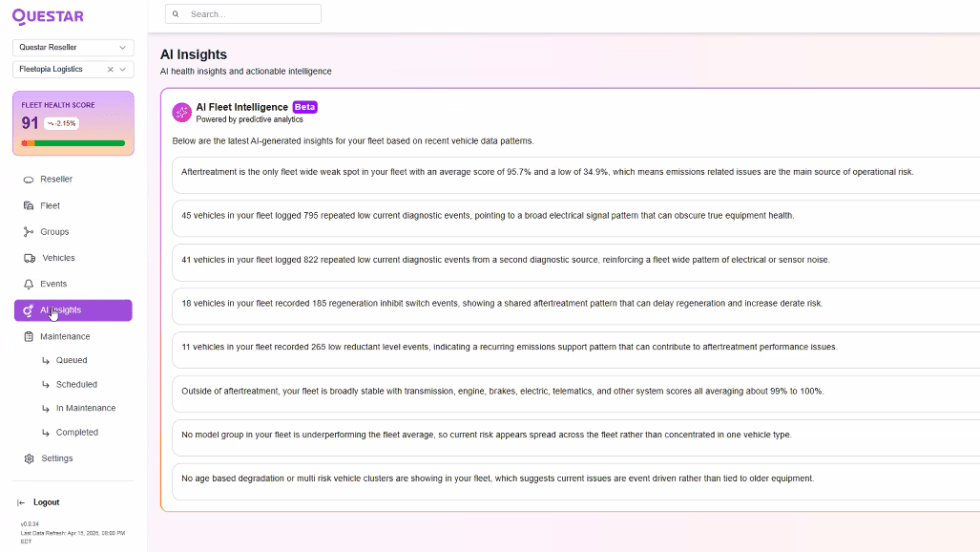
Questar Adds AI-Driven Repair Recommendations to Fleet Maintenance
Questar’s latest maintenance platform uses AI to flag potential failures, recommend repairs, and estimate the cost of waiting, helping fleets prioritize maintenance and save money and downtime.
Read More →
API Formally Approves Next-Gen Engine Oil Category for 2027 Engines
Heavy-duty engine oil marketers can begin finalizing formulations and preparing product packaging to meet the new oil specifications ahead of the January 1 licensing date.
Read More →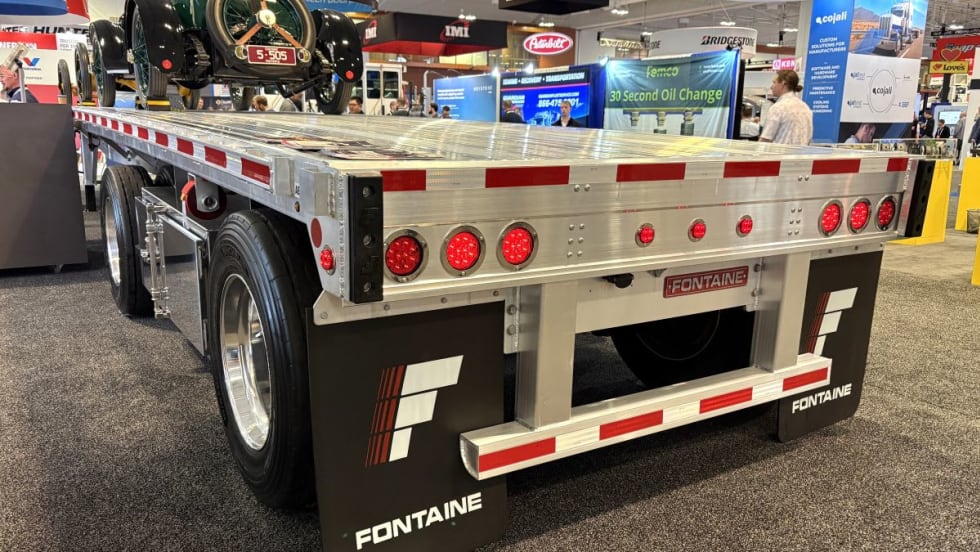
Fontaine Expands Flatbed Lineup with New Fleet-Focused Models, Eyes 2027 Launch
Fontaine is broadening its flatbed lineup with new models aimed at fleets, including a lightweight aluminum trailer expected in 2027 that emphasizes durability, repairability, and lower cost.
Read More →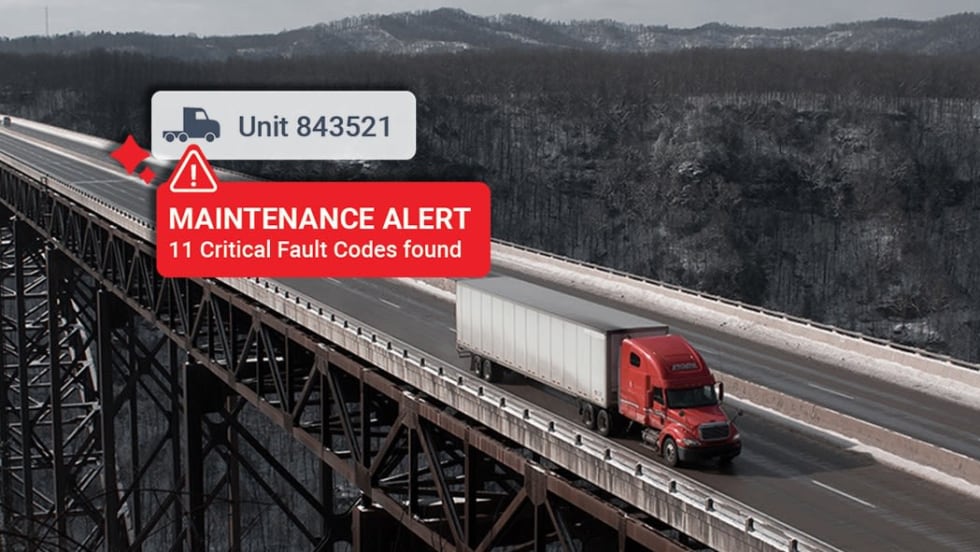
Fullbay Acquires Pitstop to Strengthen AI-Powered Predictive Maintenance
Pitstop AI will use Fullbay's extensive shop data to drive predictive maintenance for trucking fleets and repair shops.
Read More →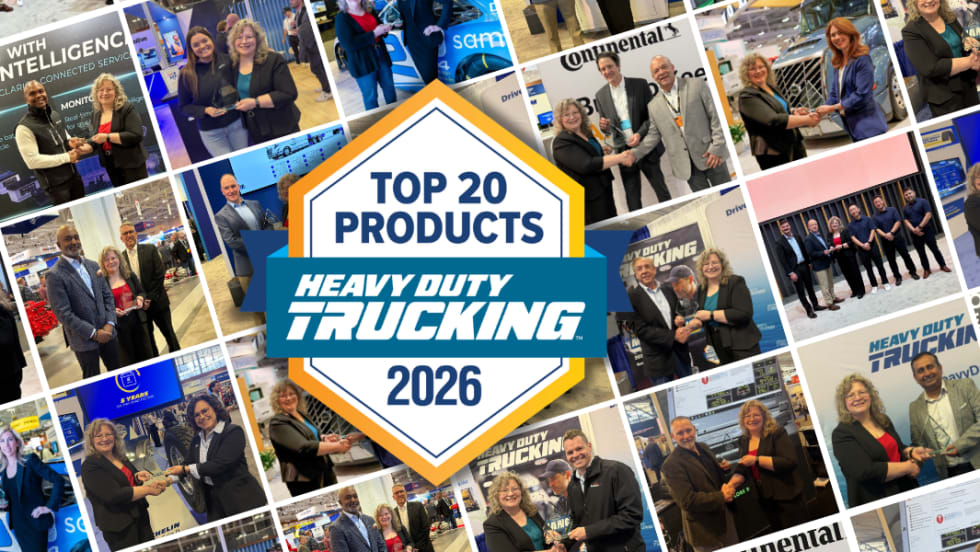
HDT Honors the Best New Products of 2025 at TMC [Photos]
Heavy Duty Trucking's Top 20 Products awards recognize the best new products and technologies. Check out the award presentations at the 2026 Technology & Maintenance Council annual meeting.
Read More →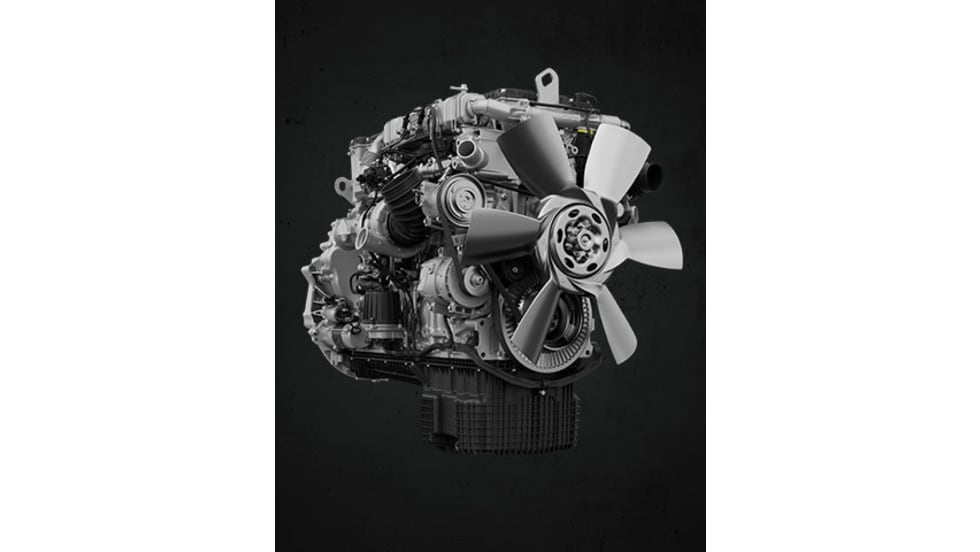
Detroit Engines: Trusted Performance, Built for What's Next
The Detroit® Gen 6 engine platform proves that real progress doesn’t require a complete redesign. Built on 20 years of trusted technology, these engines are designed for efficiency, stronger performance, and greater reliability than before. And they do it all while complying with 2027 EPA standards on every mile.
Read More →
EPA Targets DEF Sensor Failures Behind Truck Derates
New guidance allows engine makers to replace problematic DEF sensors with NOx-based systems, aiming to reduce unnecessary derates and downtime caused by failures in the sensors designed to monitor diesel exhaust fluid on trucks.
Read More →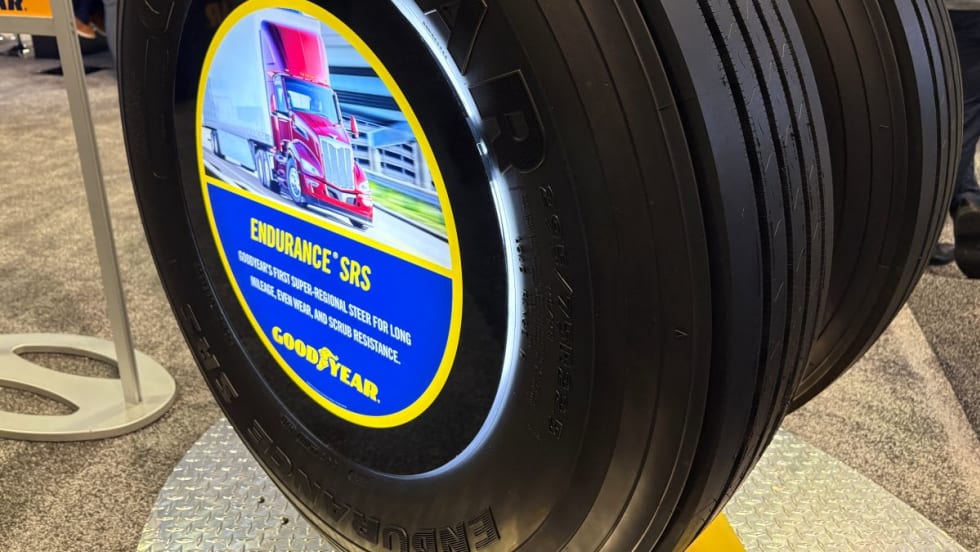
Goodyear Targets ‘Super-Regional’ Sweet Spot with New Steer Tire
Goodyear is preparing to roll out a new steer tire designed to bridge the gap between regional and linehaul for trucking fleets.
Read More →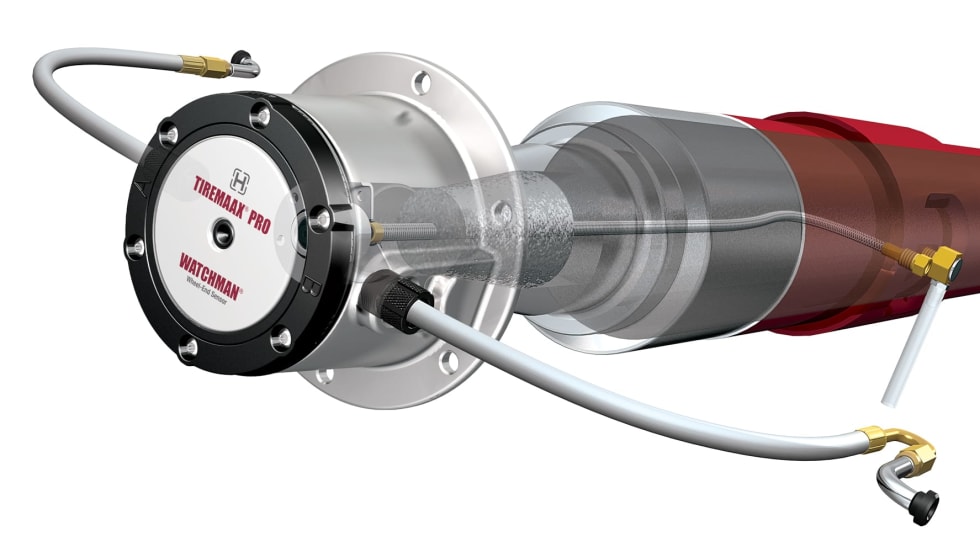
Hendrickson Unveils Watchman Smart Wheel-End System at TMC
Hendrickson’s new sensor platform integrates with its TireMaax system to deliver real-time tire and wheel-end insights, targeting uptime and cost savings.
Read More →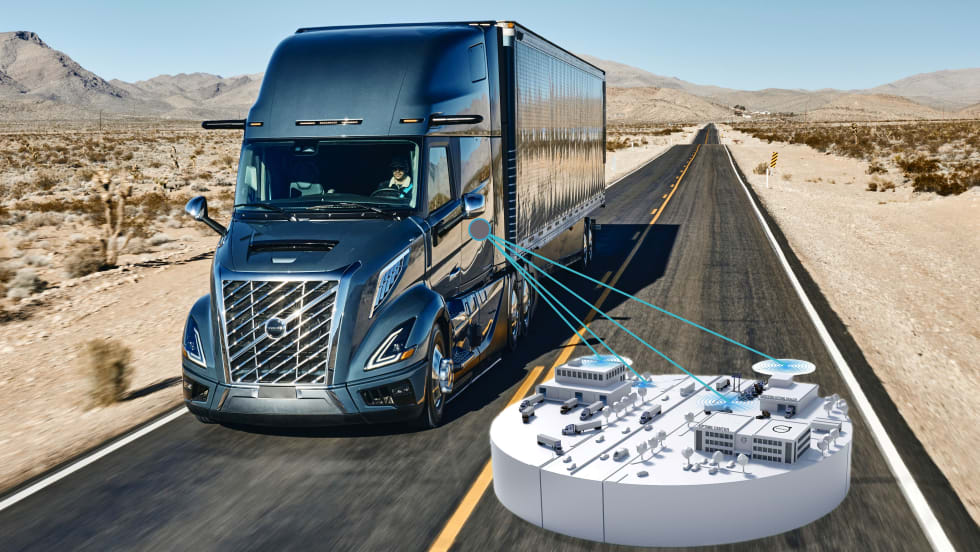
Over-the-Air Updates and the Modern Powertrain Explained
Over-the-air updates are moving beyond recalls, and expanding how fleets manage performance, compliance, and uptime.
Read More →