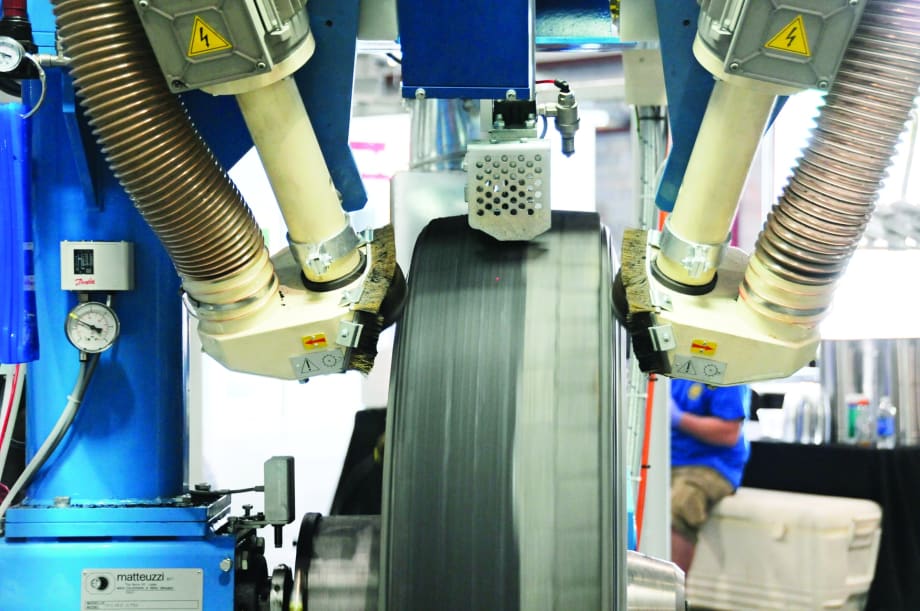
With regulations affecting how fleets fit their wheels, the retreading industry is still deciding whether or not the inclusion of verified low-rolling-resistance tires on the EPA's SmartWay list has helped the industry.
Fleets with 21 or more trailers operating in California found themselves in a bit of a bad spot back in 2010. That’s when the California Air Resources Board’s Tractor-Trailer Greenhouse Gas regulation became effective. The regulation required, among other things, that trailers be fitted with low-rolling-resistance tires.
Ad Loading...
As long as the tires were new, it wasn’t a problem. But fleets used to taking advantage of the inherent value of retreaded tires were stuck: CARB did not recognize retreads as LLR tires. The rule left fleets little choice but to replace aging trailer tires with new ones from the SmartWay list rather than retread them.
Ad Loading...
“Fleets that retread don’t like selling their casings; they’d rather retread them and preserve their value,” says Bridgestone’s Guy Walenga, director of engineering for commercial products and technologies. “It’s safe to say a lot of fleets were pretty happy when the EPA announced in 2012 that it would add compliant retreaded tires to the list of SmartWay verified technologies.”
Philip Boarts, Michelin’s retread product category manager, says EPA’s move didn’t increase the number of retreaded tires sold, but it sure shifted the focus to LLR retreads.
“Fleets that travel into California are required to run new tires and retreads that are SmartWay compliant,” he says. “So some of this specific business has shifted to SmartWay-approved products.”
David Stevens, managing director of the Tire Retread & Repair Information Bureau, notes there was a small year-over-year increase in retread sales in 2013 (the year after SmartWay began approving retreaded tires), but it’s unclear how much of that can be attributed to SmartWay-verified tires.
“Fleets are continuing to convert to low-rolling-resistance retreads,” he says. “That highlights the importance they place on bringing down fuel costs and lowering overall operating costs.”
Ad Loading...
While the CARB requirement may have increased the demand for LLR retreads, it does not seem to have impacted volumes in a significant way. It just narrowed the fleets’ choices. SmartWay today lists more than 20 models of verified LRR retreaded tires for trailers alone. There are dozens more for trucks and tractors.
A new autonomous truck startup company is targeting yard, port, and short-haul freight with a lighter, fully autonomous platform designed for dock-to-dock moves.
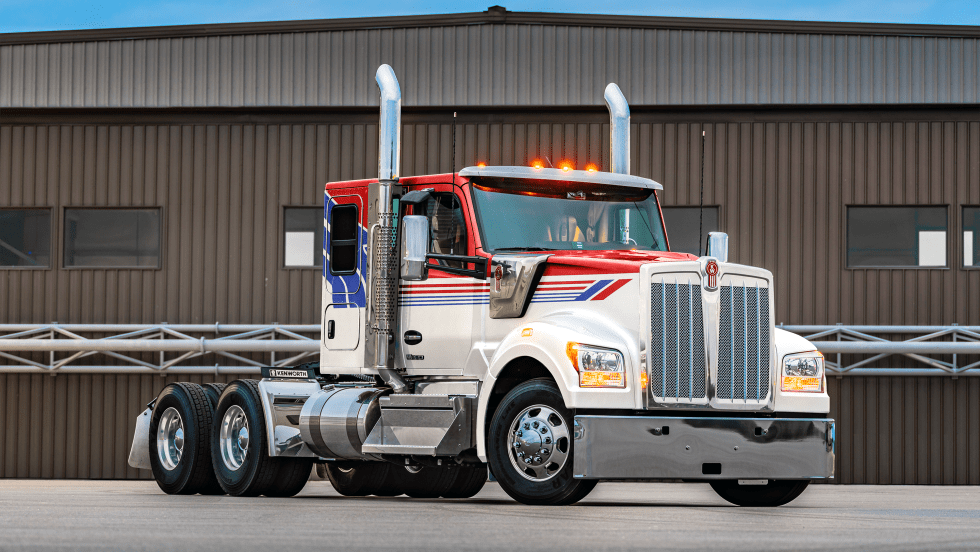
Kenworth has released a factory-installed reinforced front frame option for T880 models, designed to simplify upfits, cut costs, and speed time to service.
Stoughton’s new refrigerated trailer platform delivers double-digit efficiency gains while a next-generation rear impact guard exceeds current crash standards.
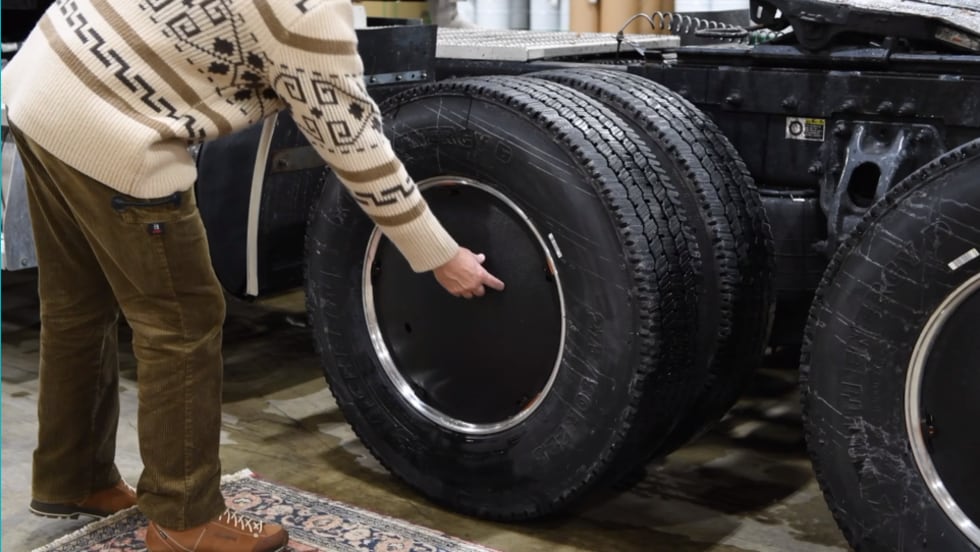
Watch to learn how Deflecktor's new wheel cover design is taking a simpler approach to aerodynamics, with an eye toward making it more practical for both trucks and trailers.
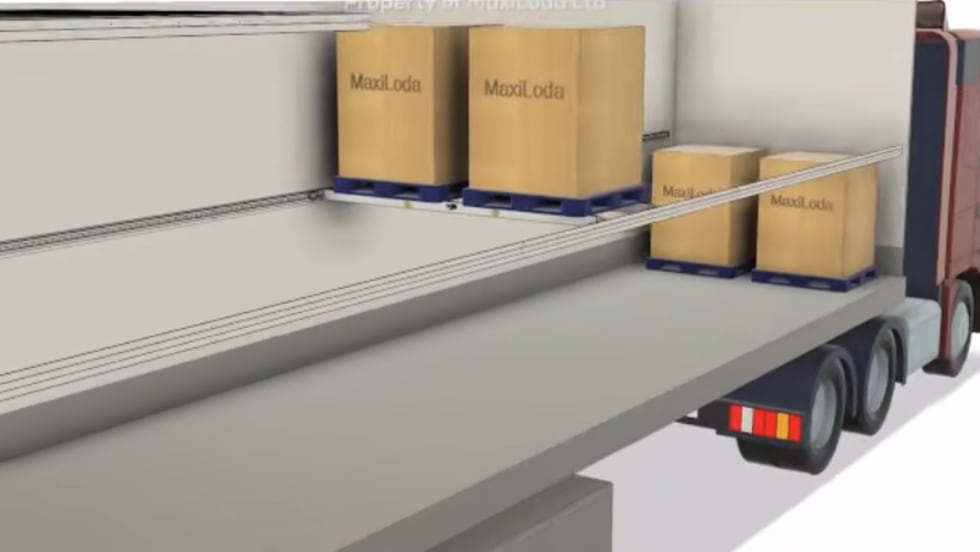
By turning unused vertical space into usable capacity, Maxiloda’s Glide system helps fleets move more freight per trip while reducing loading risks and equipment damage.
Aerodynamic wheel covers can deliver small but meaningful fuel-economy gains for fleets, and Deflecktor says its latest design aims to make the technology easier and more affordable to deploy.