




An estimated 2,000 tons of lead tire weights are lost from vehicles each year.
The weights fly off car and truck wheels and wind up in the environment, solid, or are ground into dust that makes its way into our respiratory tracts. Exposure to lead has been linked to a variety of health concerns including reproductive problems and nervous system disorders, so the Environmental Protection Agency is now pursuing a ban on the manufacture and distribution of lead tire weights.
While that initiative has yet to take shape, several states have already imposed bans on lead tire weights, fishing weights and other lead products. Those states include California, Minnesota, Washington, Vermont, Maine, New York, and most recently, Illinois. Maryland, Rhode Island, and Wisconsin have proposed similar legislation.
Zinc was considered as an alternative, but it's expensive and carries its own environmental baggage. Reports coming from Europe where lead bans have been in place for some time suggest steel weights are not a satisfactory alternative, either. Corrosion, we hear, causes the weights to separate from the wheel with alarming frequency - adding another maintenance item to an already long corrosion-related list.
Alternatives to lead weight are proving to be expensive. The increased cost of a lead substitute could be a factor in leveling the playing field between the lead-weight approach and the more costly dynamic balancing products, such as internal balancing compounds and external balancing rings - or it could knock wheel balancing off the radar screen altogether.
Lead Weights On The Way Out
An estimated 2,000 tons of lead tire weights are lost from vehicles each year
More Maintenance

Questar Adds AI-Driven Repair Recommendations to Fleet Maintenance
Questar’s latest maintenance platform uses AI to flag potential failures, recommend repairs, and estimate the cost of waiting, helping fleets prioritize maintenance and save money and downtime.
Read More →
API Formally Approves Next-Gen Engine Oil Category for 2027 Engines
Heavy-duty engine oil marketers can begin finalizing formulations and preparing product packaging to meet the new oil specifications ahead of the January 1 licensing date.
Read More →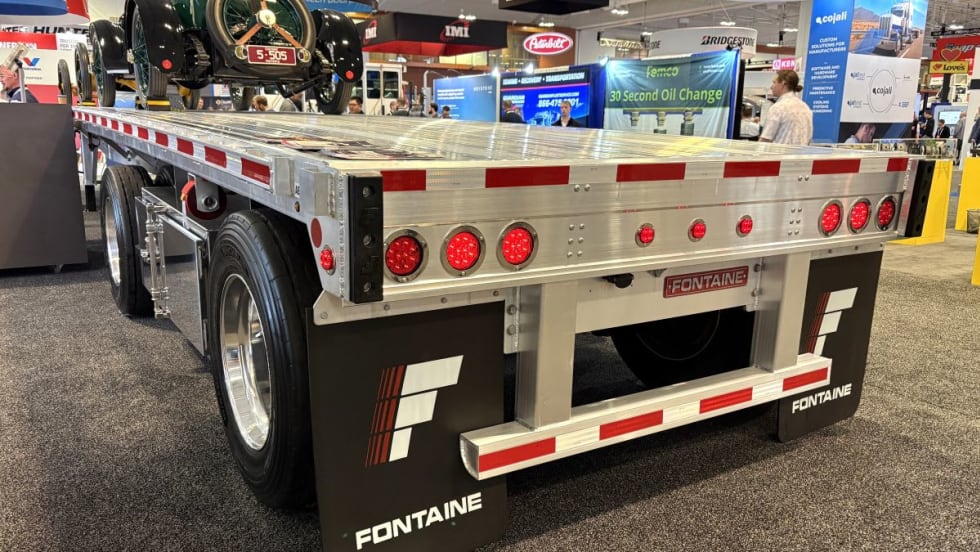
Fontaine Expands Flatbed Lineup with New Fleet-Focused Models, Eyes 2027 Launch
Fontaine is broadening its flatbed lineup with new models aimed at fleets, including a lightweight aluminum trailer expected in 2027 that emphasizes durability, repairability, and lower cost.
Read More →
Fullbay Acquires Pitstop to Strengthen AI-Powered Predictive Maintenance
Pitstop AI will use Fullbay's extensive shop data to drive predictive maintenance for trucking fleets and repair shops.
Read More →
HDT Honors the Best New Products of 2025 at TMC [Photos]
Heavy Duty Trucking's Top 20 Products awards recognize the best new products and technologies. Check out the award presentations at the 2026 Technology & Maintenance Council annual meeting.
Read More →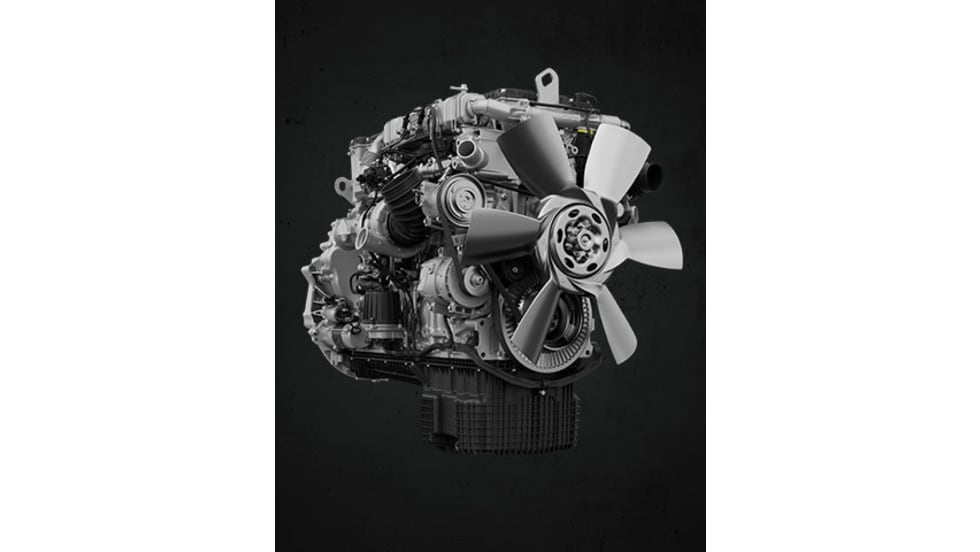
Detroit Engines: Trusted Performance, Built for What's Next
The Detroit® Gen 6 engine platform proves that real progress doesn’t require a complete redesign. Built on 20 years of trusted technology, these engines are designed for efficiency, stronger performance, and greater reliability than before. And they do it all while complying with 2027 EPA standards on every mile.
Read More →
EPA Targets DEF Sensor Failures Behind Truck Derates
New guidance allows engine makers to replace problematic DEF sensors with NOx-based systems, aiming to reduce unnecessary derates and downtime caused by failures in the sensors designed to monitor diesel exhaust fluid on trucks.
Read More →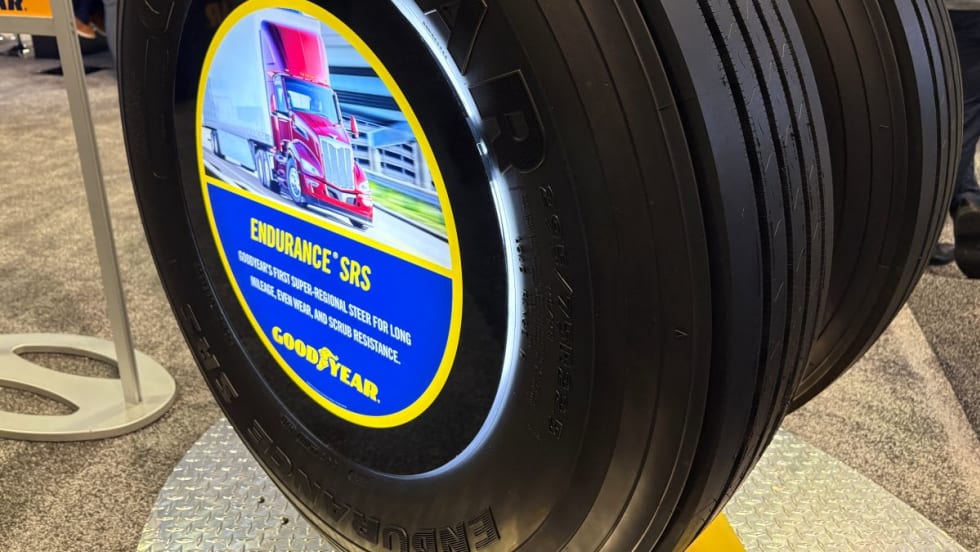
Goodyear Targets ‘Super-Regional’ Sweet Spot with New Steer Tire
Goodyear is preparing to roll out a new steer tire designed to bridge the gap between regional and linehaul for trucking fleets.
Read More →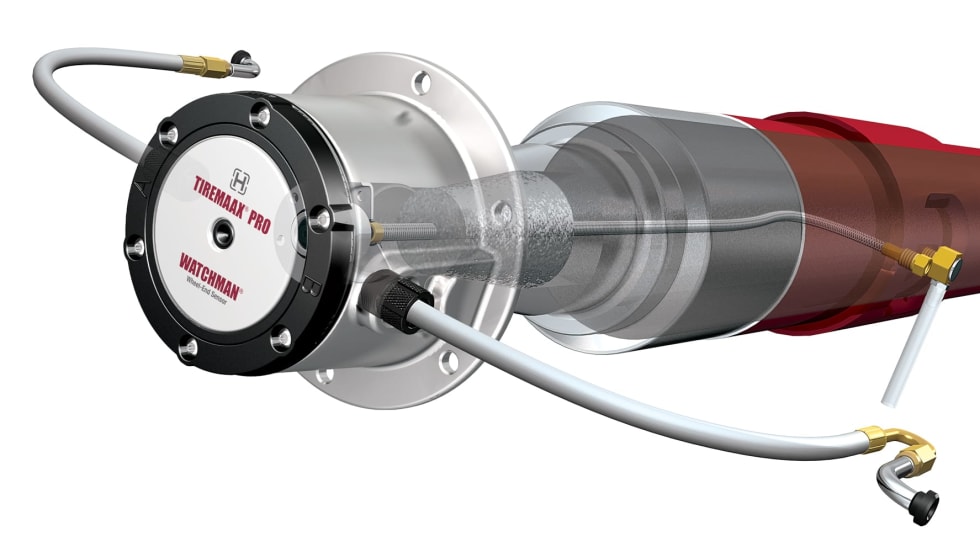
Hendrickson Unveils Watchman Smart Wheel-End System at TMC
Hendrickson’s new sensor platform integrates with its TireMaax system to deliver real-time tire and wheel-end insights, targeting uptime and cost savings.
Read More →
Over-the-Air Updates and the Modern Powertrain Explained
Over-the-air updates are moving beyond recalls, and expanding how fleets manage performance, compliance, and uptime.
Read More →