




An estimated 2,000 tons of lead tire weights are lost from vehicles each year.
The weights fly off car and truck wheels and wind up in the environment, solid, or are ground into dust that makes its way into our respiratory tracts. Exposure to lead has been linked to a variety of health concerns including reproductive problems and nervous system disorders, so the Environmental Protection Agency is now pursuing a ban on the manufacture and distribution of lead tire weights.
While that initiative has yet to take shape, several states have already imposed bans on lead tire weights, fishing weights and other lead products. Those states include California, Minnesota, Washington, Vermont, Maine, New York, and most recently, Illinois. Maryland, Rhode Island, and Wisconsin have proposed similar legislation.
Zinc was considered as an alternative, but it's expensive and carries its own environmental baggage. Reports coming from Europe where lead bans have been in place for some time suggest steel weights are not a satisfactory alternative, either. Corrosion, we hear, causes the weights to separate from the wheel with alarming frequency - adding another maintenance item to an already long corrosion-related list.
Alternatives to lead weight are proving to be expensive. The increased cost of a lead substitute could be a factor in leveling the playing field between the lead-weight approach and the more costly dynamic balancing products, such as internal balancing compounds and external balancing rings - or it could knock wheel balancing off the radar screen altogether.
From the November 2010 issue of Heavy Duty Trucking magazine.
Lead Weights On The Way Out
An estimated 2,000 tons of lead tire weights are lost from vehicles each year
More Equipment
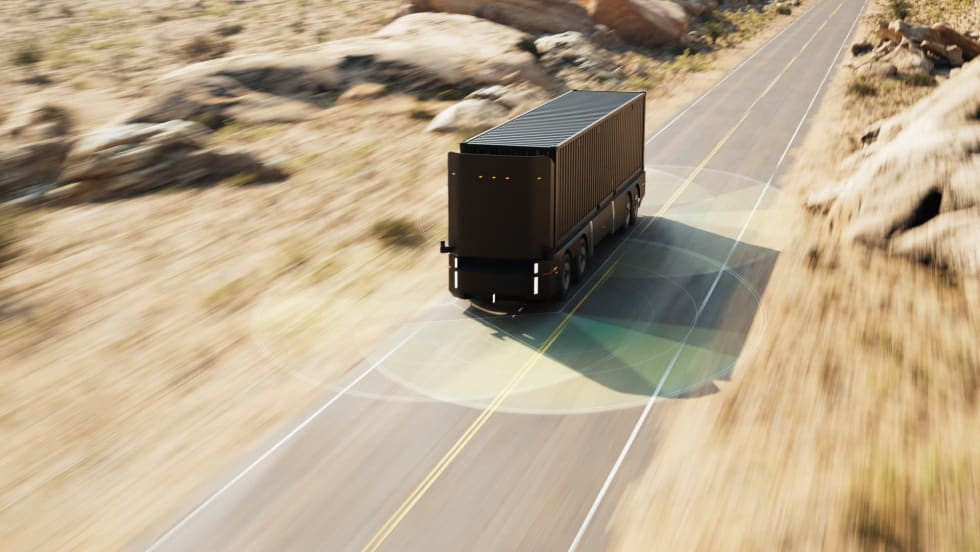
Autonomous Start-Up Humble Announces Cabless Autonomous Electric Hauler
A new autonomous truck startup company is targeting yard, port, and short-haul freight with a lighter, fully autonomous platform designed for dock-to-dock moves.
Read More →
Top Green Fleets of 2026: Nomination Deadline Extended
Is your company a leader in sustainability efforts among trucking fleets? If so, Heavy Duty Trucking's editors want to hear from you.
Read More →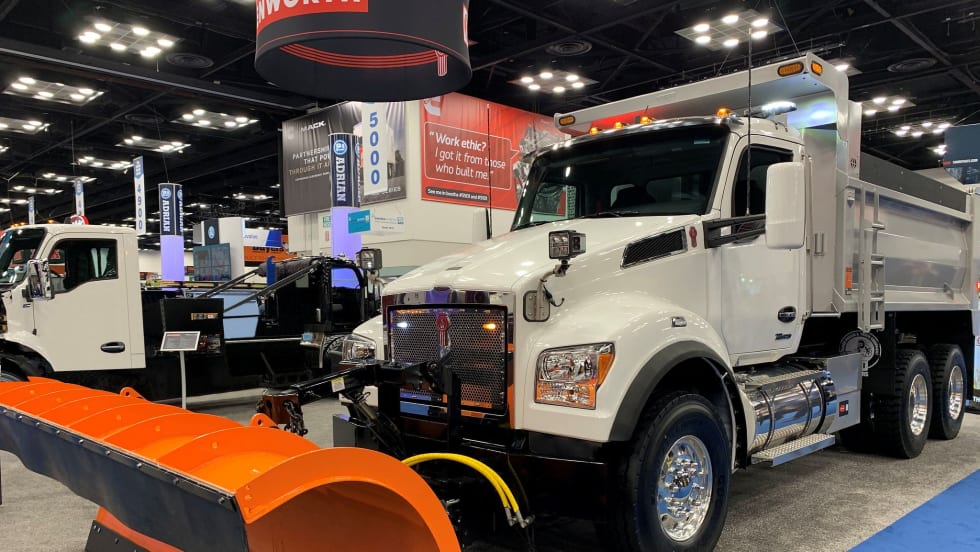
Kenworth Announces Reinforced Front Frame Option for T880 and T880S Models
Kenworth has released a factory-installed reinforced front frame option for T880 models, designed to simplify upfits, cut costs, and speed time to service.
Read More →
Stoughton Rolls Out PureBlue Reefer Trailer, Raises Safety Bar With 40-mph Rear Impact Guard
Stoughton’s new refrigerated trailer platform delivers double-digit efficiency gains while a next-generation rear impact guard exceeds current crash standards.
Read More →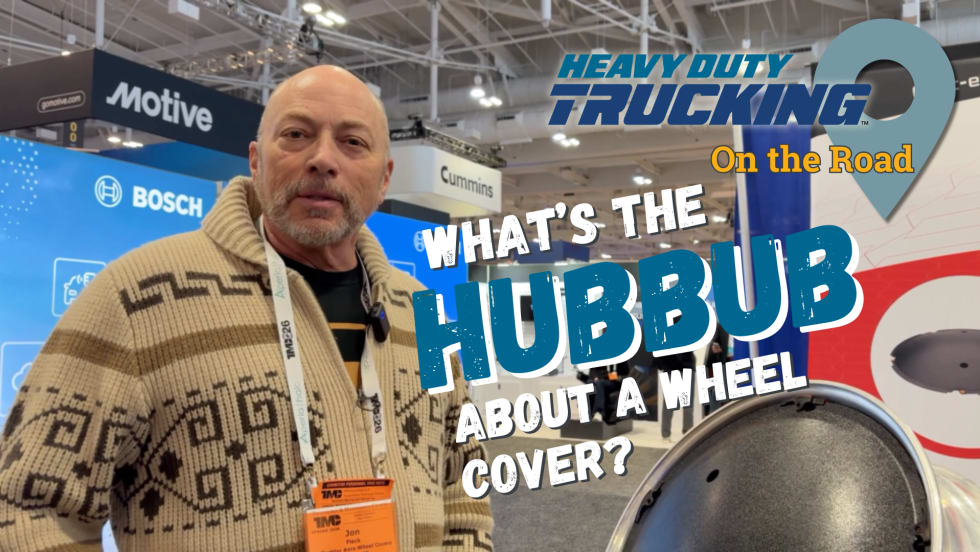
New Lightweight Wheel Cover Targets Simpler Aero Gains [Watch]
Watch to learn how Deflecktor's new wheel cover design is taking a simpler approach to aerodynamics, with an eye toward making it more practical for both trucks and trailers.
Read More →
How Maxiloda’s Glide System Unlocks Hidden Trailer Capacity
By turning unused vertical space into usable capacity, Maxiloda’s Glide system helps fleets move more freight per trip while reducing loading risks and equipment damage.
Read More →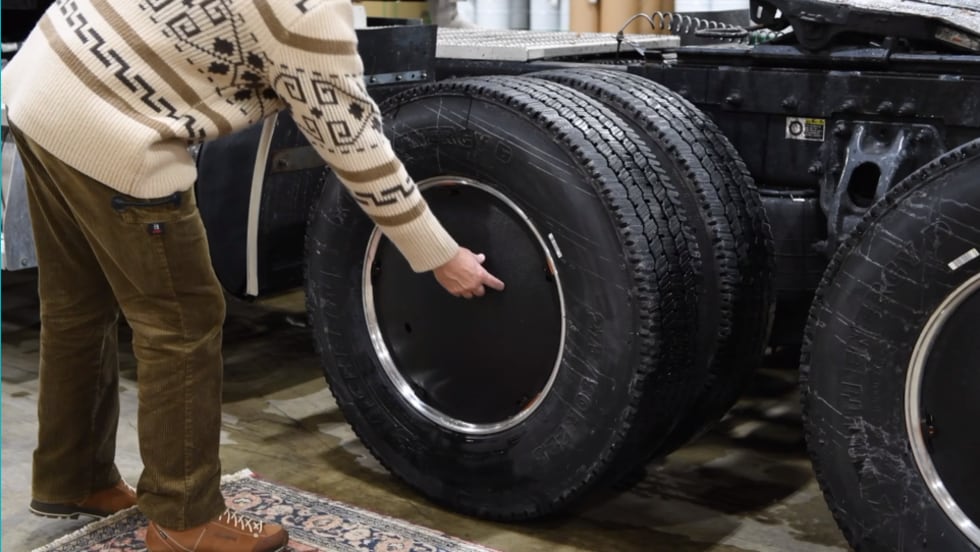
Deflecktor: Hubbub Aerodynamic Wheel Cover Cost-Effective Even for Trailers
Aerodynamic wheel covers can deliver small but meaningful fuel-economy gains for fleets, and Deflecktor says its latest design aims to make the technology easier and more affordable to deploy.
Read More →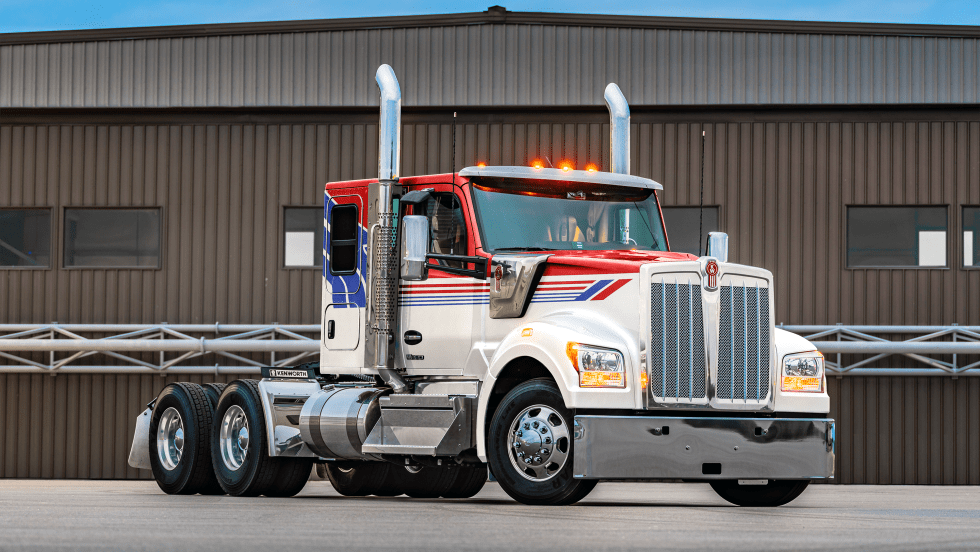
Kenworth Revives Iconic 'TourAmerica' Paint Scheme
Kenworth’s new, limited-edition scheme celebrates trucking heritage while supporting a nationwide mobile museum tour.
Read More →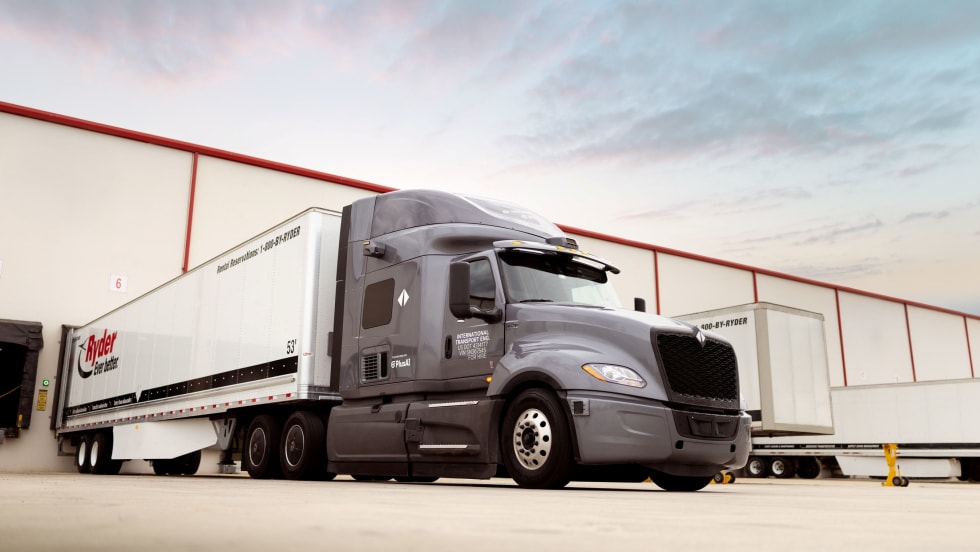
Ryder Joins International’s Autonomous Truck Pilot on Texas Freight Lane
Ryder and International take autonomous trucking out of the lab and onto a live, 600-mile Texas freight lane.
Read More →
FTR: Class 8 Orders Stay Hot in March Despite Monthly Dip
Fuel prices aside, Class 8 demand remains elevated as freight fundamentals improve and fleets regain confidence in long-term investments.
Read More →