




There have been a lot of new product launches at the spring truck shows, as you'll see in this month's cover story. Despite the faltering economy, there's been no let-up in that activity.
In fact, as the pace of change accelerates, we'll be seeing more and more as we go forward.
This year, several deserve a much closer look. Grote's fascinating development of a thin film with embedded LEDs is one. It is so revolutionary that we are limited today by what we can imagine using the films for. But applications will come thick and fast. Daimler's predictive cruise control is another example of how complementary technologies are making for some absolutely incredible products. And there were several more.
But none caught my attention like the novel Bendix Pneumatic Booster System.
It's an engine sub-assembly that blasts compressed air into the intake manifold when the throttle is mashed. Usually it takes up to six seconds for the gradually increasing fuel mixing with increased volumes of air as the turbo spools up before the engine is producing its maximum torque. With the Bendix system, the blast of fresh, compressed air means fuel can immediately be injected into the combustion chamber. A great rush of exhaust is instantaneously produced that zaps the turbocharger up to speed. In less than a second, the engine is up to full torque.
But wait a minute. Bendix? The brake people?
The answer is, absolutely yes.
You see, Bendix and parent company Knorr-Bremse have such a stranglehold on the brake business worldwide that there's not a lot of opportunity left for growth there. So the company is looking for other areas where its expertise in managing compressed air can be used to advantage. Engine systems is one such area, and the PBS really does bring something new to the engineering drafting table.
PBS originally was developed in response to a request for a way to get more power, more quickly from a small bus engine in a South American application. The routes demanded lots of steep hill starts, and the bus engine was not powerful enough to get the bus going smartly. But the chassis couldn't accommodate a bigger engine. Enter the PBS and the problem is solved: a 7-liter engine that performs like a 9-liter. (A quart out of a pint pot, you might say.)
The benefits of this early engine boost are manifold, if you'll pardon the pun. Among them, fuel economy is improved and emissions are reduced - especially NOx - as the throttle is mashed.
Musing about those benefits makes me think about the issues facing Navistar with its go-it-alone technology path for 2010 using Advanced Exhaust Gas Recirculation, or A-EGR. The pundits all say that by going to as much as 50 percent EGR, performance will suffer, fuel economy will fall and particulate matter emissions will go up. These are all areas that the Bendix PBS addresses very elegantly with a single, relatively simple add-on component and its dedicated air tank.
Oh yes, the air in that tank is compressed to 140 psi, and we all know what happens when a sudden flood of compressed air is released: It gets icy cold. That's yet another PBS property that has a positive impact on the combustion process in reducing NOx and PM with A-EGR. And because the engine is to full torque more quickly, EGR can be turned on earlier, further reducing NOx.
Bendix says it will not be offering exclusives on its PBS technology, but I wouldn't mind betting there have been conversations between Navistar engine people and Bendix already.
And here's another thing: Bendix says the technology is still being evaluated with production slated for 2011 or more likely 2012. Navistar has banked emissions credits, so its full compliance with the 0.2 g per hp-hr EPA mandate is not scheduled until 2012. Is that a fortunate coincidence, or what?
Nobody is confirming these musings. Just remember, if the A-EGR International MaxxForce engines for the next EPA hurdle are wearing Bendix PBS, you read about it here first.
From the May 2009 issue of Heavy Duty Trucking.
Something In The Air
There have been a lot of new product launches at the spring truck shows, as you'll see in this month's cover story. Despite the faltering economy, there's been no let-up in that activity
More Equipment
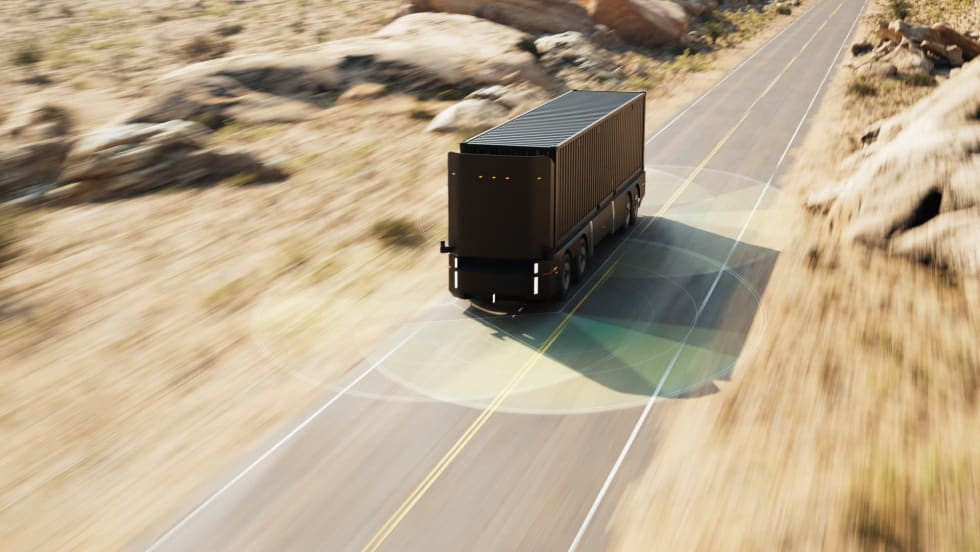
Autonomous Start-Up Humble Announces Cabless Autonomous Electric Hauler
A new autonomous truck startup company is targeting yard, port, and short-haul freight with a lighter, fully autonomous platform designed for dock-to-dock moves.
Read More →
Top Green Fleets of 2026: Nomination Deadline Extended
Is your company a leader in sustainability efforts among trucking fleets? If so, Heavy Duty Trucking's editors want to hear from you.
Read More →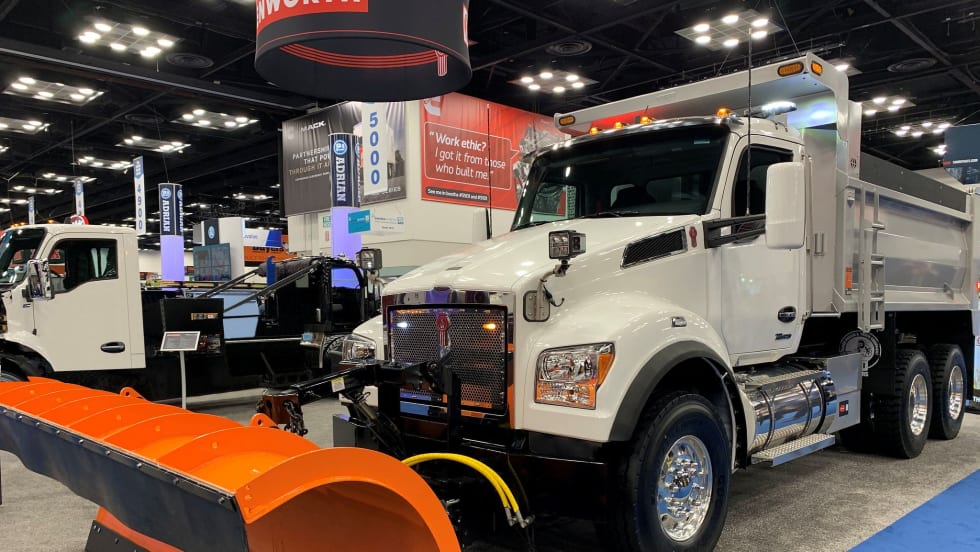
Kenworth Announces Reinforced Front Frame Option for T880 and T880S Models
Kenworth has released a factory-installed reinforced front frame option for T880 models, designed to simplify upfits, cut costs, and speed time to service.
Read More →
Stoughton Rolls Out PureBlue Reefer Trailer, Raises Safety Bar With 40-mph Rear Impact Guard
Stoughton’s new refrigerated trailer platform delivers double-digit efficiency gains while a next-generation rear impact guard exceeds current crash standards.
Read More →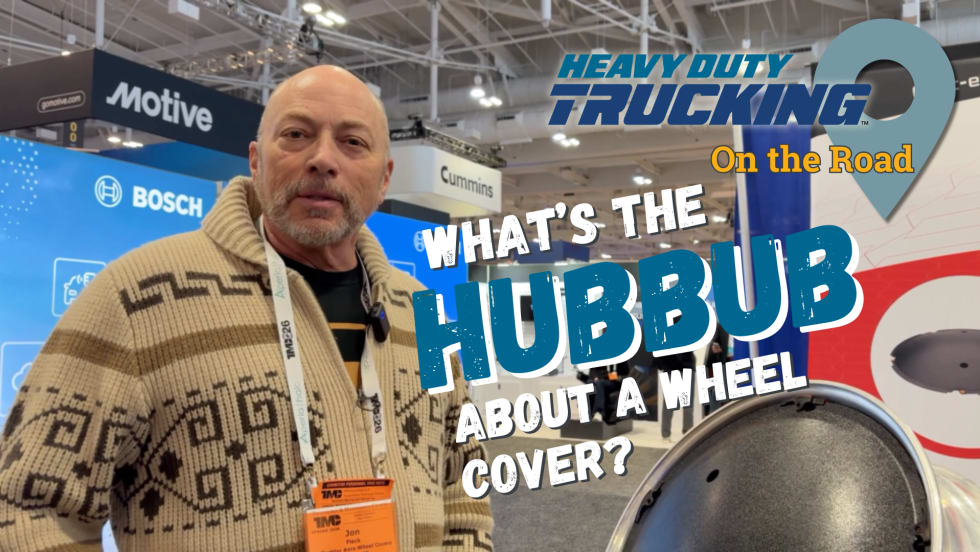
New Lightweight Wheel Cover Targets Simpler Aero Gains [Watch]
Watch to learn how Deflecktor's new wheel cover design is taking a simpler approach to aerodynamics, with an eye toward making it more practical for both trucks and trailers.
Read More →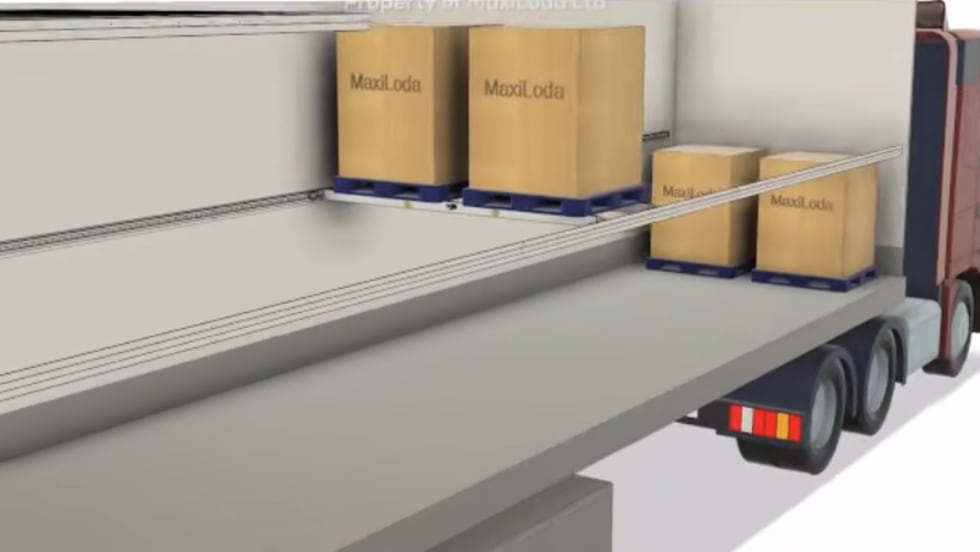
How Maxiloda’s Glide System Unlocks Hidden Trailer Capacity
By turning unused vertical space into usable capacity, Maxiloda’s Glide system helps fleets move more freight per trip while reducing loading risks and equipment damage.
Read More →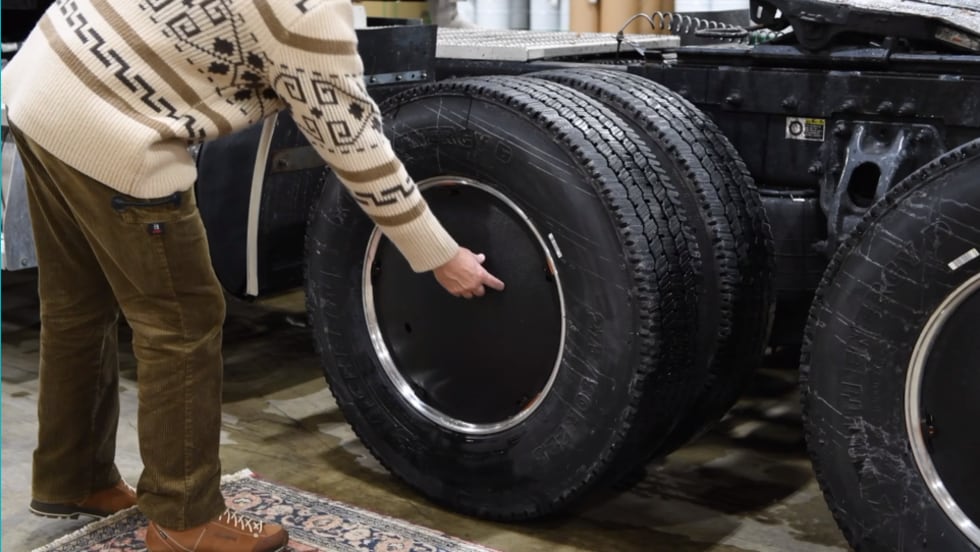
Deflecktor: Hubbub Aerodynamic Wheel Cover Cost-Effective Even for Trailers
Aerodynamic wheel covers can deliver small but meaningful fuel-economy gains for fleets, and Deflecktor says its latest design aims to make the technology easier and more affordable to deploy.
Read More →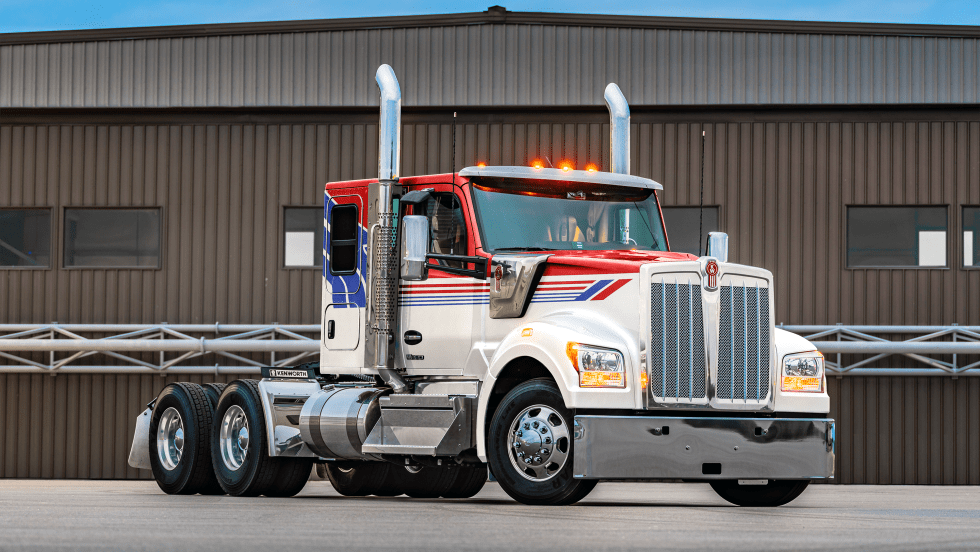
Kenworth Revives Iconic 'TourAmerica' Paint Scheme
Kenworth’s new, limited-edition scheme celebrates trucking heritage while supporting a nationwide mobile museum tour.
Read More →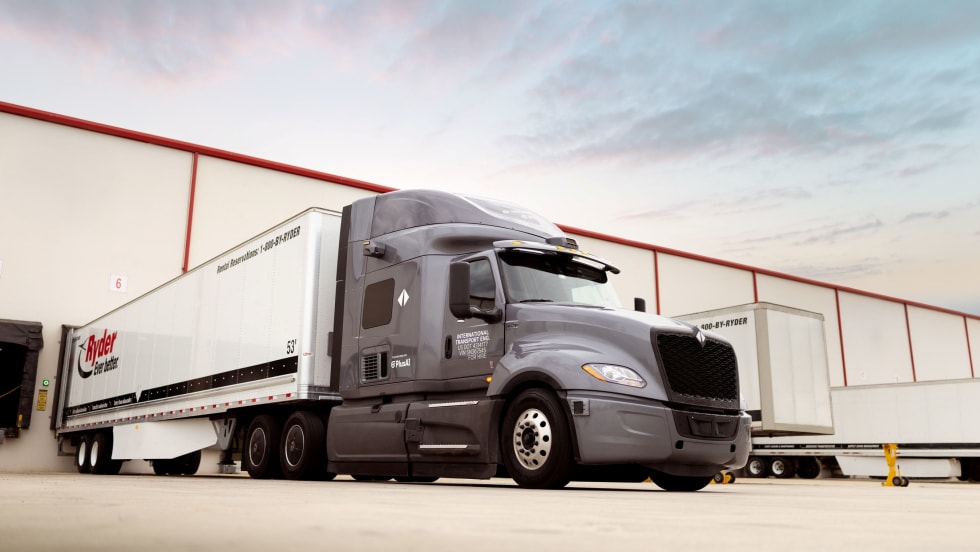
Ryder Joins International’s Autonomous Truck Pilot on Texas Freight Lane
Ryder and International take autonomous trucking out of the lab and onto a live, 600-mile Texas freight lane.
Read More →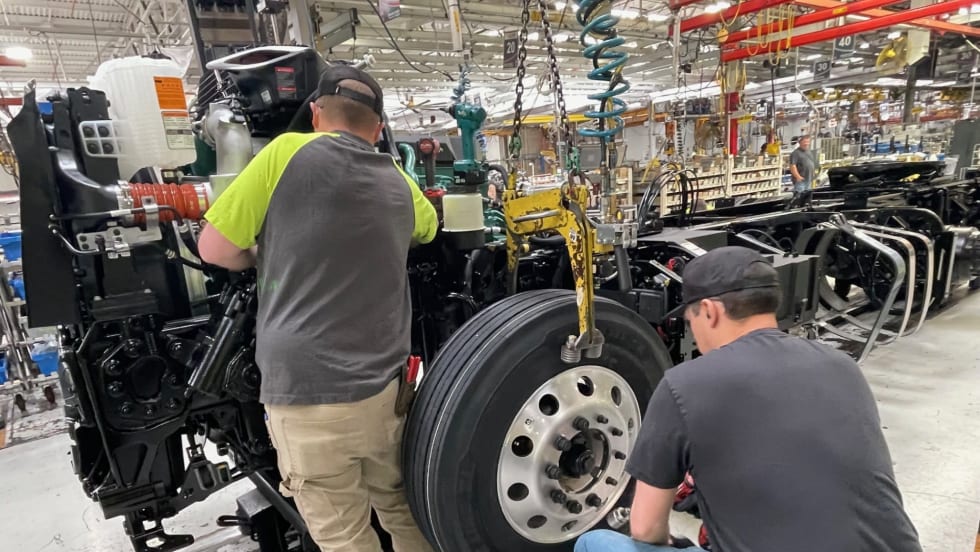
FTR: Class 8 Orders Stay Hot in March Despite Monthly Dip
Fuel prices aside, Class 8 demand remains elevated as freight fundamentals improve and fleets regain confidence in long-term investments.
Read More →