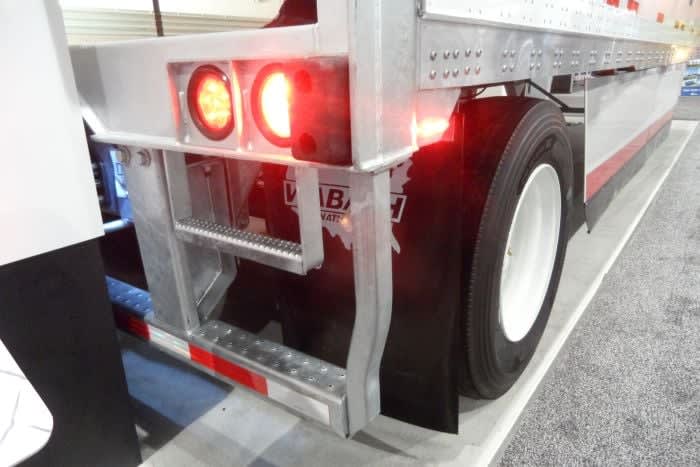
Sealed LED lamps will resist intrusion of salt spray and other contaminants while the structure surrounding the lamps will protect them from impacts and resulting damage. Photo: Tom Berg
3 min to read
Sealed LED lamps will resist intrusion of salt spray and other contaminants while the structure surrounding the lamps will protect them from impacts and resulting damage. Photo: Tom Berg
For years, a major source of problems and maintenance expenses on trailers has revolved around the electrical system. That's why the Technology & Maintenance Council of the American Trucking Associations has a recommended practice to help trailer buyers spec electrical systems.
Ad Loading...
Much knowledge and experience are invested in TMC's Recommended Practices. Over the years, fleet-manager and supplier members have combined their knowledge to write suggestions for specifying and maintaining transportation equipment.
Ad Loading...
TMC members define “long life” in most freight-hauling operations as 12 years of useful service with minimal maintenance. The recommended practices often cite RPs from other organizations, primarily the Society of Automotive Engineers.
For this article, we'll take a look at Recommended Practice 704C from TMC’s S.7 Study Group, which discusses voltage, wiring and light fixtures and connectors.
For starters, it specifies that 12.8 volts at 10 amps should be available at the electrical connector in the cord linking the tractor and trailer, and that any voltage drop in a multiple-unit combination should not exceed 0.7 volt per trailer. Ideally, lights should operate at 12.5 volts minimum. Wiring gauge should support such loads, and manufacturers can recommend specifics.
The RP cites SAE J1128, 1292 and 163, which define wiring size and methods of routing and securement. In addition to lighting, the electrical system must support the operation of the antilock braking system and any equipment installed on the trailer, such as liftgates (an entire subject in themselves).
Wiring should be color-coded and diagrammed according to standards set by the Truck Trailer Manufacturers Association’s RP 40-73 and SAE J560 and J1067, the TMC document says.
Ad Loading...
An entire wiring harness should be installed so it’s accessible from outside the trailer or body.
Other points:
Wiring should be modular so damaged sections can be easily and quickly replaced by unplugging them and plugging in new sections.
Only sealed wiring is acceptable because it wards off road debris, salt spray and other contaminants.
Connectors should meet corrosion-resistance standards from J2139. Connectors for subsections, lighting fixtures and equipment must mate quickly and be self-sealing.
Light fixtures should be installed where they can avoid collision damage and minimize exposure to road debris, salt spray and the like, though often these can’t be avoided. Housings and connectors should be resistant to corrosion and intrusion by moisture and contaminants.
Best practices include using drip loops prior to a connection, so moisture flows to the bottom of the wiring loop before it reaches a connector; using covers to deflect spray away from a fixture or connector, and using secondary insulation on wiring to protect primary insulation.
Avoid “side-loaded” light fixtures because they require sharp bends in the immediately adjacent wiring, which under tension can become kinked and fail. Instead, connectors should be at the back of fixtures. Avoid subjecting any wiring to tension.
Install equipment such as liftgates and booms so when parked they don’t block lights and draw citations from police.
For van trailers, TMC also has recommended practices for front and rear construction, laminated hardwood flooring, fasteners, minimizing moisture contamination, and reinforcing vans for railroad piggyback service. We’ll describe some of these in future issues of HDT and on our website.
TMC's RP numbers refelct the study group which wrote the documents and the order in which tehy were submitted to the organization for publication. In this case, the 700 series comes from S.7, Trailers, Bodies & Material Handling. Letter suffixes indicate a progression of rewrites; no suffic or A means it's probably not been changed, B meaning the second version and C being a third updating.
Ad Loading...
Full access to the RPs is one of the benefits of TMC membership. More information at http://tmc.truckline.com.
For more on trailers and bodies each week, visit Tom Berg's Trailer Talk blog
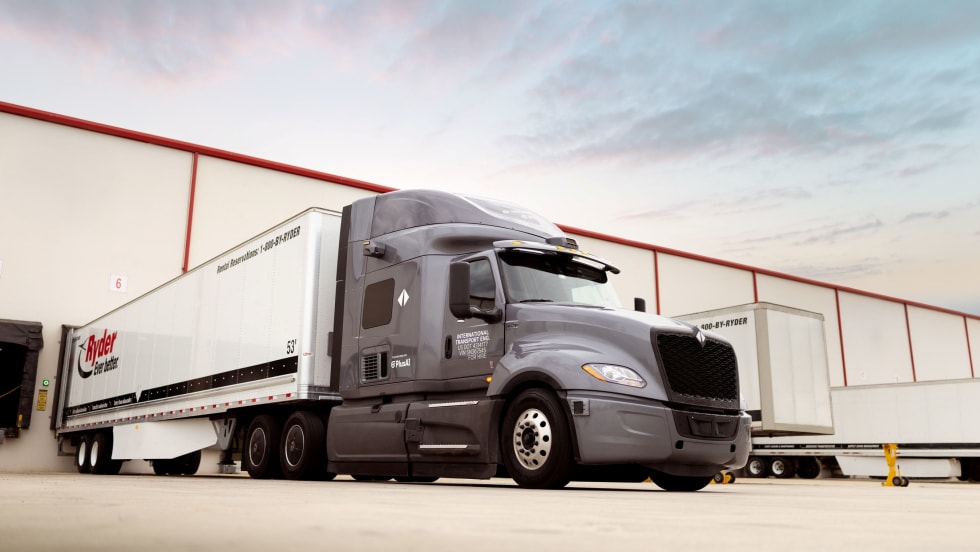
A new autonomous truck startup company is targeting yard, port, and short-haul freight with a lighter, fully autonomous platform designed for dock-to-dock moves.
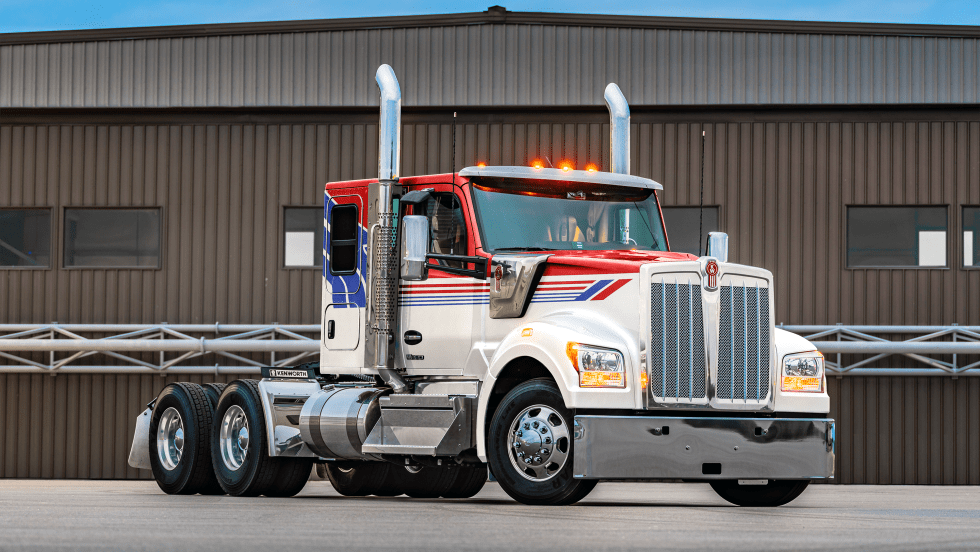
Kenworth has released a factory-installed reinforced front frame option for T880 models, designed to simplify upfits, cut costs, and speed time to service.
Stoughton’s new refrigerated trailer platform delivers double-digit efficiency gains while a next-generation rear impact guard exceeds current crash standards.
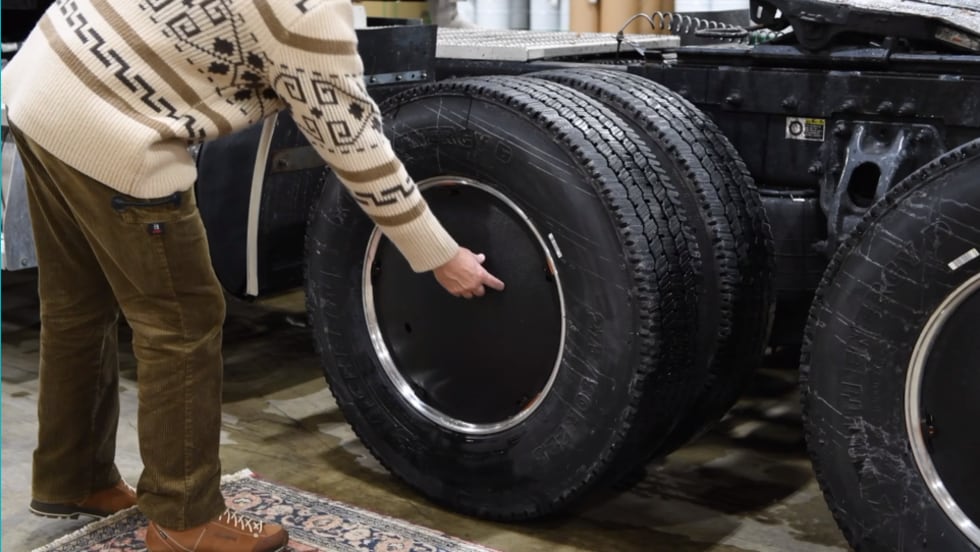
Watch to learn how Deflecktor's new wheel cover design is taking a simpler approach to aerodynamics, with an eye toward making it more practical for both trucks and trailers.
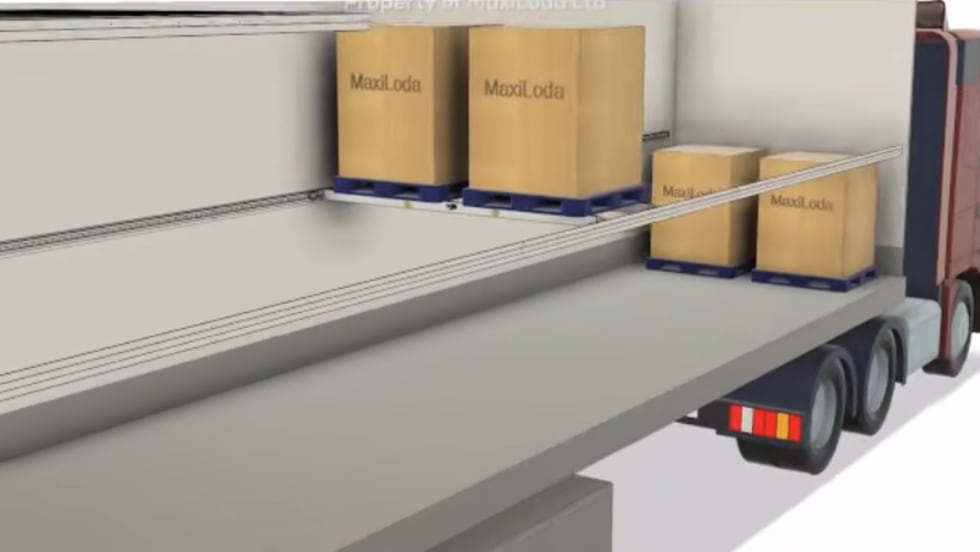
By turning unused vertical space into usable capacity, Maxiloda’s Glide system helps fleets move more freight per trip while reducing loading risks and equipment damage.
Aerodynamic wheel covers can deliver small but meaningful fuel-economy gains for fleets, and Deflecktor says its latest design aims to make the technology easier and more affordable to deploy.