




A torque wrench is a precision instrument designed to apply a specific amount of force to a fastener.
Whether tightening head bolts on an automobile engine, lugs for tire and rim installation or inspecting fastener tolerances on high-performance equipment, it is extremely important that proper care is used.
Guidelines are typically provided noting acceptable torque ranges, the order in which specific fasteners are tightened and the number of times a fastener must be tightened and loosened to ensure uniform torque application.
Failure to properly torque fasteners can lead to equipment damage, personal injury or worse. With proper care, a high-quality torque wrench should provide accurate measurements for many years.
It is important to follow acceptable maintenance and use practices, such as:
- Safety glasses or goggles should be worn at all times when using any hand tool.
- Always follow the manufacturer's directions regarding torque direction, proper force, torque pattern/sequence, use or non-use of lubrication on fasteners and torque "tighten/release" cycles.
- Do not exceed the recommended working range of the torque wrench. Reliable measurements are based on a percentage of the working range. In general, most mechanical wrenches have a useable range from 20% to 100% of full scale. Most electronic wrenches have a useable range from 10% to 100% of full scale.
- Do not use accessories or handle extensions unless specifically allowed by the torque wrench manufacturer.
- Take time to inspect the tool and check for worn or cracked sockets. Properly lubricate and replace worn parts.
- Avoid dropping or sliding a torque wrench. Dropping a torque wrench on a hard surface can cause the instrument to lose reliable calibration. If you suspect that a wrench has been dropped, have the tool inspected by the manufacturer or reputable calibration service.
- Always store a torque wrench in a protective case and/or location when not in use.
- Avoid exposure to temperature extremes, high humidity, fluid immersion and corrosive environments.
- If using a click-type torque wrench, always store it at the lowest level on the scale.
- Avoid marking, etching or placing labels on torque wrenches.
- Use a torque wrench to apply a specific torque value during the final assembly process. Do not use a torque wrench as the primary means of tightening or loosening fasteners.
- As most torque wrenches are length specific, always grasp the torque wrench in the center of the handle. If two hands need to be used, place one hand on top of the other.
- Apply torque in a slow, methodical manner and avoid sudden, jerking movements.
- When the wrench signals (by clicking, beeping or lights) that a specific torque has been reached, stop pulling immediately.
After 5,000 cycles or up to one year of use, whichever comes first, have your torque wrench inspected and recalibrated by the manufacturer or reputable calibration service.
Information courtesy of Snap-on Tools.
Tips on Using and Caring for Your Torque Wrench
A torque wrench is a precision instrument designed to apply a specific amount of force to a fastener
More Maintenance
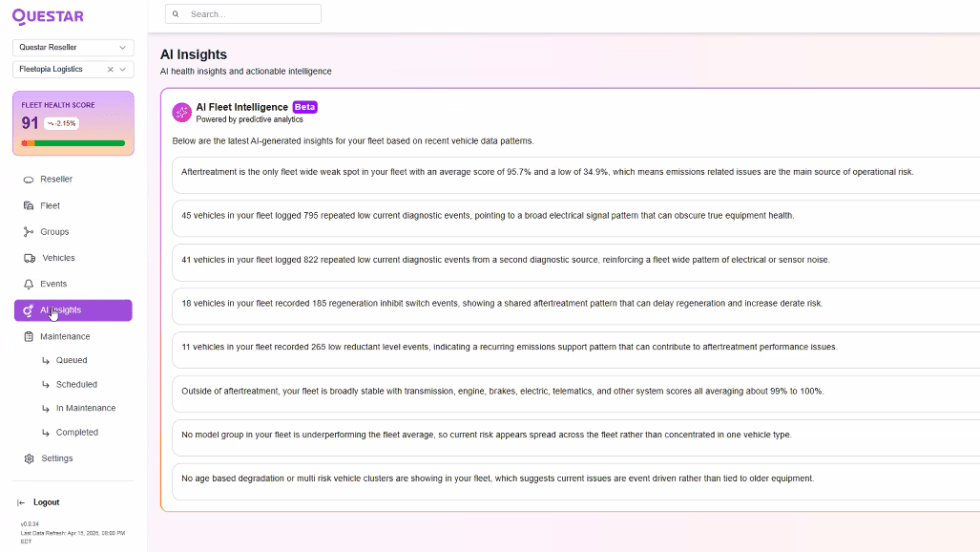
Questar Adds AI-Driven Repair Recommendations to Fleet Maintenance
Questar’s latest maintenance platform uses AI to flag potential failures, recommend repairs, and estimate the cost of waiting, helping fleets prioritize maintenance and save money and downtime.
Read More →
API Formally Approves Next-Gen Engine Oil Category for 2027 Engines
Heavy-duty engine oil marketers can begin finalizing formulations and preparing product packaging to meet the new oil specifications ahead of the January 1 licensing date.
Read More →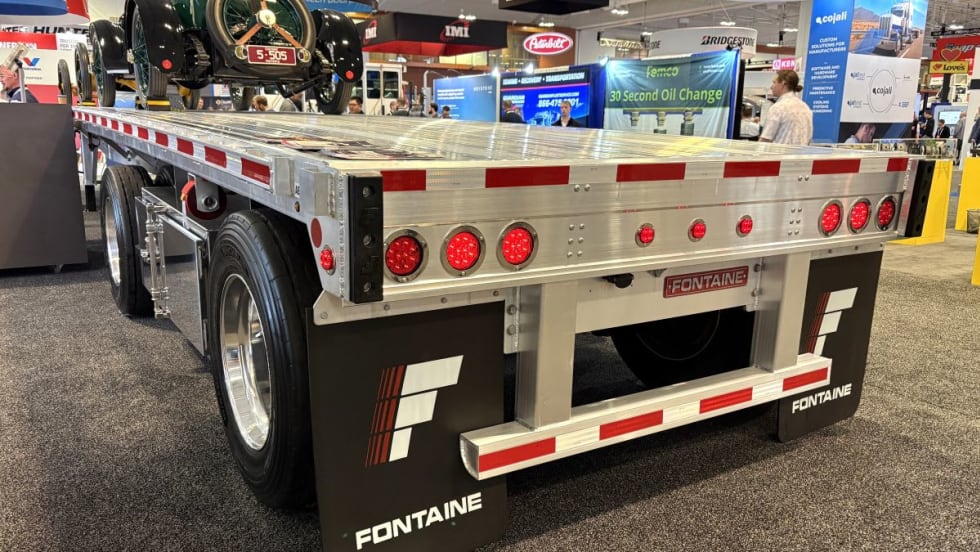
Fontaine Expands Flatbed Lineup with New Fleet-Focused Models, Eyes 2027 Launch
Fontaine is broadening its flatbed lineup with new models aimed at fleets, including a lightweight aluminum trailer expected in 2027 that emphasizes durability, repairability, and lower cost.
Read More →
Fullbay Acquires Pitstop to Strengthen AI-Powered Predictive Maintenance
Pitstop AI will use Fullbay's extensive shop data to drive predictive maintenance for trucking fleets and repair shops.
Read More →
HDT Honors the Best New Products of 2025 at TMC [Photos]
Heavy Duty Trucking's Top 20 Products awards recognize the best new products and technologies. Check out the award presentations at the 2026 Technology & Maintenance Council annual meeting.
Read More →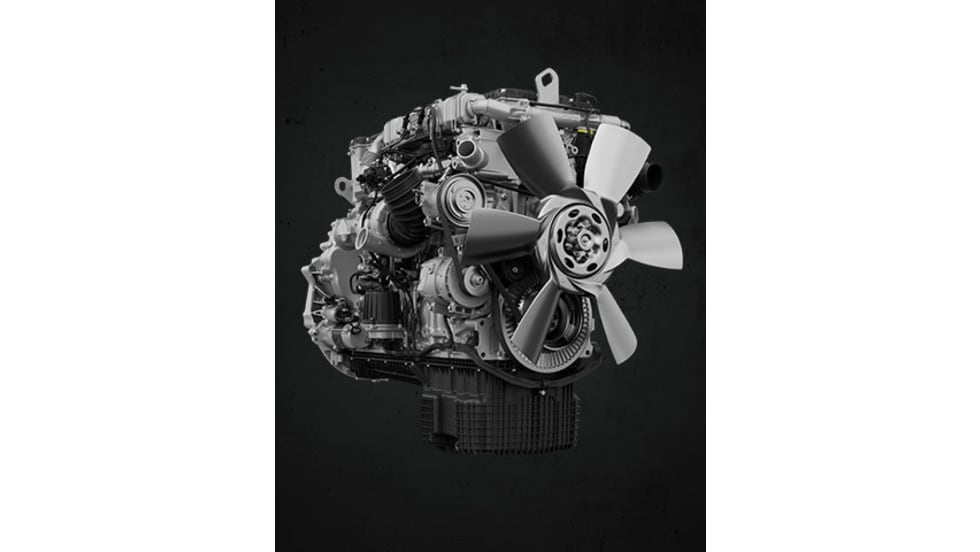
Detroit Engines: Trusted Performance, Built for What's Next
The Detroit® Gen 6 engine platform proves that real progress doesn’t require a complete redesign. Built on 20 years of trusted technology, these engines are designed for efficiency, stronger performance, and greater reliability than before. And they do it all while complying with 2027 EPA standards on every mile.
Read More →
EPA Targets DEF Sensor Failures Behind Truck Derates
New guidance allows engine makers to replace problematic DEF sensors with NOx-based systems, aiming to reduce unnecessary derates and downtime caused by failures in the sensors designed to monitor diesel exhaust fluid on trucks.
Read More →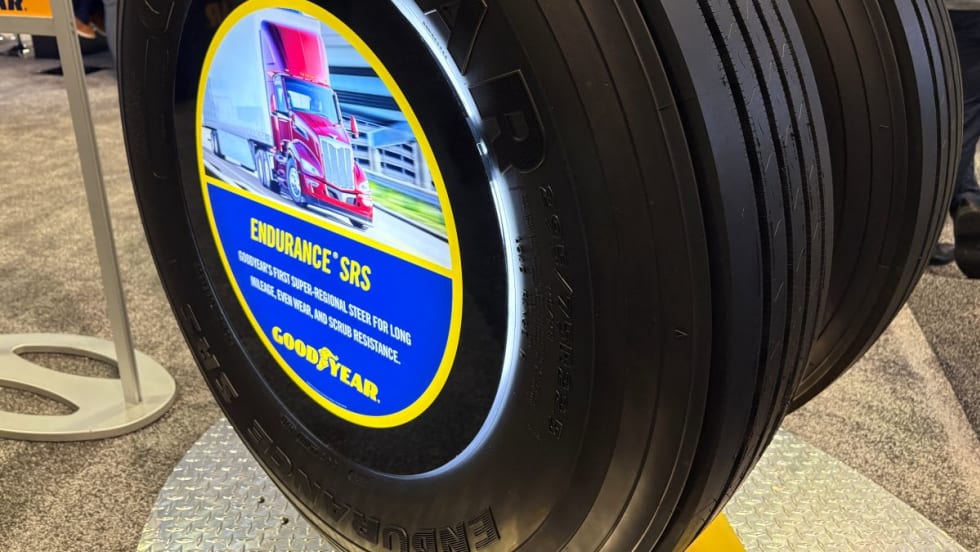
Goodyear Targets ‘Super-Regional’ Sweet Spot with New Steer Tire
Goodyear is preparing to roll out a new steer tire designed to bridge the gap between regional and linehaul for trucking fleets.
Read More →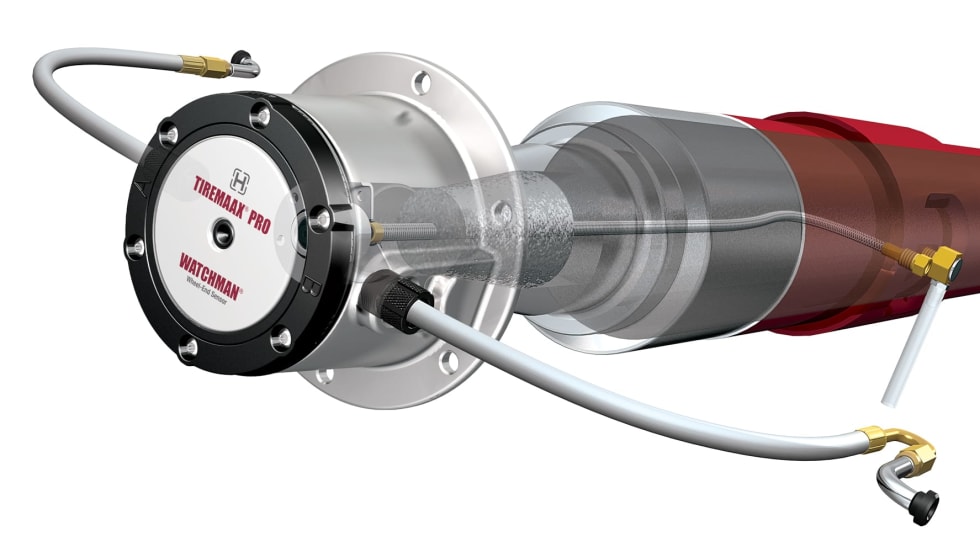
Hendrickson Unveils Watchman Smart Wheel-End System at TMC
Hendrickson’s new sensor platform integrates with its TireMaax system to deliver real-time tire and wheel-end insights, targeting uptime and cost savings.
Read More →
Over-the-Air Updates and the Modern Powertrain Explained
Over-the-air updates are moving beyond recalls, and expanding how fleets manage performance, compliance, and uptime.
Read More →