





This year's nominees for the American Truck Dealers/Heavy Duty Trucking Truck Dealer of the Year say fleets are holding back on buying new 2010-technology engines, not because of concerns about how well the new engines will work, but because the high price is hard to swallow for fleets
Top Dealers Talk EPA 2010
This year's nominees for the American Truck Dealers/Heavy Duty Trucking Truck Dealer of the Year say fleets are holding back on buying new 2010-technology engines, not because of concerns about how well the new engines will work, but because the high price is hard to swallow for fleet
May 2, 2010

5 min to read
battered by the recession.
"Obviously the implementation of 2010 emissions couldn't have come at a worse time," says John "Jack" Saum, the Dealer of the Year and chairman of the board of Beltway Companies in Baltimore, Md. "In my opinion, it's a lose situation for everyone - for the environment because you're going to continue to operate older, higher-emission vehicles; the customer, because his cost per mile will increase with older trucks and fuel mileage; certainly a lose to the dealer and manufacturer; and what implications does it have in terms of safety with an aging fleet? It's a shame no one could talk the government into delaying this."
In International's case, Saum says, the fact that the MaxxForce 2010 engines are "more evolutionary, we're not putting a whole new system on," compared to the selective catalytic reduction aftertreatment systems being used by other manufacturers, "that seems to have some resonance among buyers - but when you quote them the price, you kind of watch them fall off the chair."
Bob Nuss, president of Nuss Truck Group in Rochester, Minn., and this year's Dealer of the Year Finalist, agrees that while there are some concerns about the new technology, he's seeing buyers more concerned about the extra $8,000 to $12,000 cost. He predicts the second quarter of the year will see very few deliveries of 2010-model trucks to customers.
"Very, very few fleets are stepping up and buying," says Nuss, who sells Mack, Volvo, Isuzu and UD trucks, all of which are using SCR for 2010. "But that's going to change, and we're going to see inventories drop dramatically at dealerships when it does."
Nuss wishes the government had offered some sort of tax break to users who buy the new technology.
Dealers for both types of technology being used to meet 2010 emissions regulations - selective catalytic reduction and advanced exhaust gas recirculation - say the 2010 engines offer customers benefits over their 2007 cousins in terms of factors such as reliability and fuel economy.
Saum says fleets experienced decreased reliability with the last two emissions deadlines, in 2002/04 and 2007. "There were certainly problems inherent in those emission changes," he says. But with 2010, he says, it looks like that will change.
Jay Ellison, president of French-Ellison Truck Center in San Antonio, also mentioned improved reliability as well as fuel economy as an advantage of the 2010 SCR engines in the Mack and Volvo trucks his dealerships sell. "The disadvantage is the price," he says. "We've had a lot of governmentally mandated price increases in the trucks that it's hard for the customers to absorb in this market. The timing it's just been terrible."
SERVICING 2010 ENGINES
The 2010 engines are just the latest step in a march toward ever-more-sophisticated and complex machines and electronics. Dealers say they've spent a lot of time and money getting up to speed to be able to maintain and service these engines.
Dealers spend tens of thousands of dollars a year training technicians to keep up with the latest changes in engine and other truck technology.
"Even with that, sometimes the manufacturers we're dealing with, they're still unsure of the problems that are being caused by the new engines, the new technology," says Blake Jackson, president of Peterbilt of Utah - Idaho. "I think in the short term as we enter in with this new 2010 engine, those problems are going to persist. But the longer we go without any major changes in the powertrain, the better they're going to run, the more familiar our mechanics are going to be, the more the manufacturers will be able to help us with troubleshooting these problems, and that should help with the efficiency of getting them in and out for our customer base."
Some fleets might opt to avoid the issue altogether and go with a full-service lease instead.
"With the wild fluctuations in technology and trying to determine residual value, why not put all that onus on the truck leasing company?" says Greg Lesher, president of Lesher Mack Sales & Service in Lebanon, Pa. "At the end of the day if you have a 25 truck fleet and couple technicians, nowadays they can only do clutches and oil changes. It's harder to justify having those couple guys around anymore. You can do a total full service lease, or you can own that asset and farm out contract maintenance to a dealer or a truck lessor."
WHO'S BUYING?
Ron Meyering, president of M&K Quality Truck Sales in Byron Center, Mich., says his dealership is already getting orders for 2010 trucks, some of them "pretty substantial," and other customers are seriously considering it. Some customers are seeing increased business that means they need more trucks; more commonly, he says, they've just extended their trade cycles as long as they can.
"We've actually had some customers that were looking at equipment last year postponed a purchase to wait for the new technology because we're supposed to see an improvement in fuel mileage," says Meyering, who sells Volvo, Mack and Hino. "So we're seeing customers quite excited about it."
Jackson says his dealership has already ordered a few dozen 2010-emission engines for customers this year. "I think from what I'm being told, they're very excited about it. I think the apprehension is really dissipating. I think it's because the last jump, the '07 technology was quite frankly not that good, and I think they're looking forward to this new technology."
Jackson is looking forward to a decade without mandated emissions technology changes.
"The hardest thing for customers and for dealers is the unknown," he explains, "when you don't know the next technology cost and what it's going to do for fuel mileage or maintenance. If you can have this long run of sustainability, I think [customers] will be more profitable, I think [dealers] will be more profitable. I think it'll give the engine manufacturers time to work out the bugs that have plagued all our customers. They've been having to make such huge technology leaps every 3 or 4 years they haven't had a chance to work out all the bugs, and now they have this 10-year window to make sure everything runs perfect."
Subscribe to Our Newsletter
More Equipment
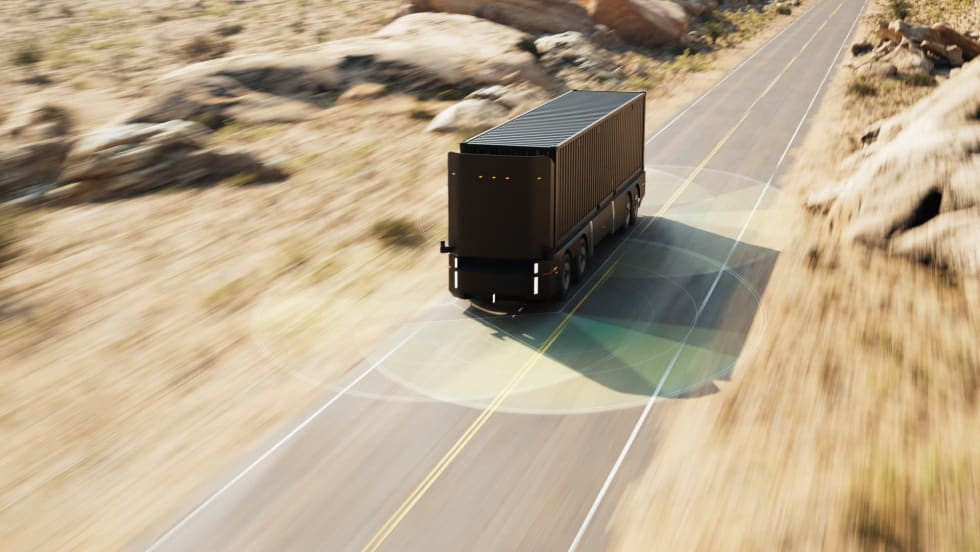
Autonomous Start-Up Humble Announces Cabless Autonomous Electric Hauler
A new autonomous truck startup company is targeting yard, port, and short-haul freight with a lighter, fully autonomous platform designed for dock-to-dock moves.
Read More →
Top Green Fleets of 2026: Nomination Deadline Extended
Is your company a leader in sustainability efforts among trucking fleets? If so, Heavy Duty Trucking's editors want to hear from you.
Read More →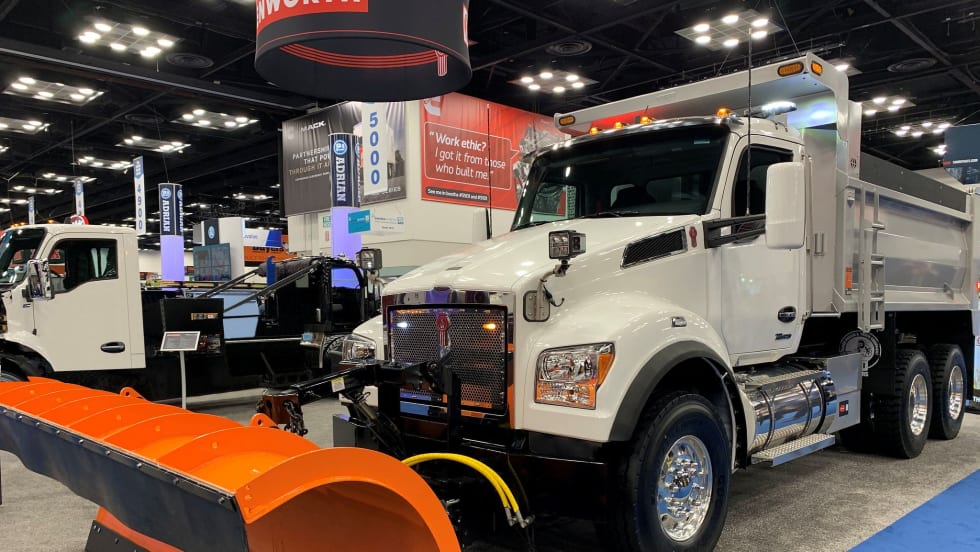
Kenworth Announces Reinforced Front Frame Option for T880 and T880S Models
Kenworth has released a factory-installed reinforced front frame option for T880 models, designed to simplify upfits, cut costs, and speed time to service.
Read More →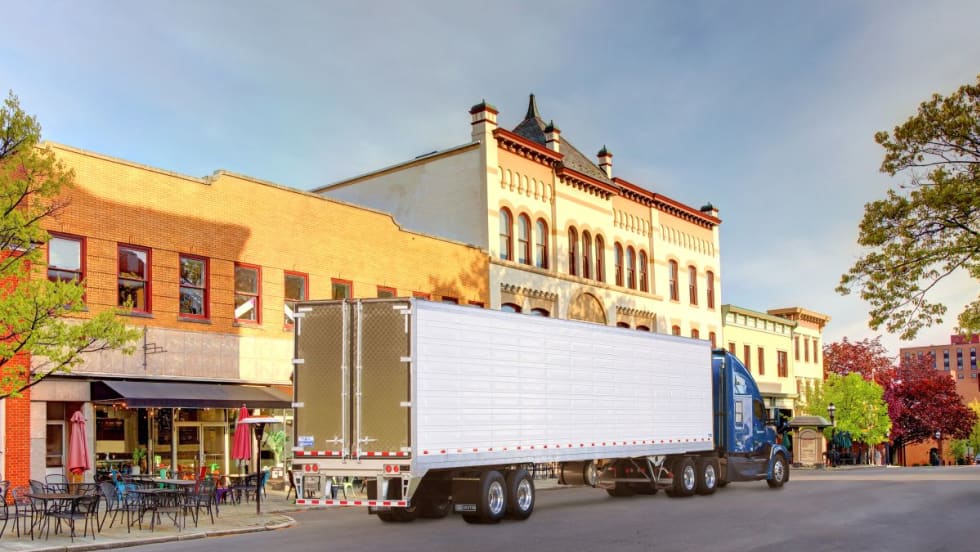
Stoughton Rolls Out PureBlue Reefer Trailer, Raises Safety Bar With 40-mph Rear Impact Guard
Stoughton’s new refrigerated trailer platform delivers double-digit efficiency gains while a next-generation rear impact guard exceeds current crash standards.
Read More →
New Lightweight Wheel Cover Targets Simpler Aero Gains [Watch]
Watch to learn how Deflecktor's new wheel cover design is taking a simpler approach to aerodynamics, with an eye toward making it more practical for both trucks and trailers.
Read More →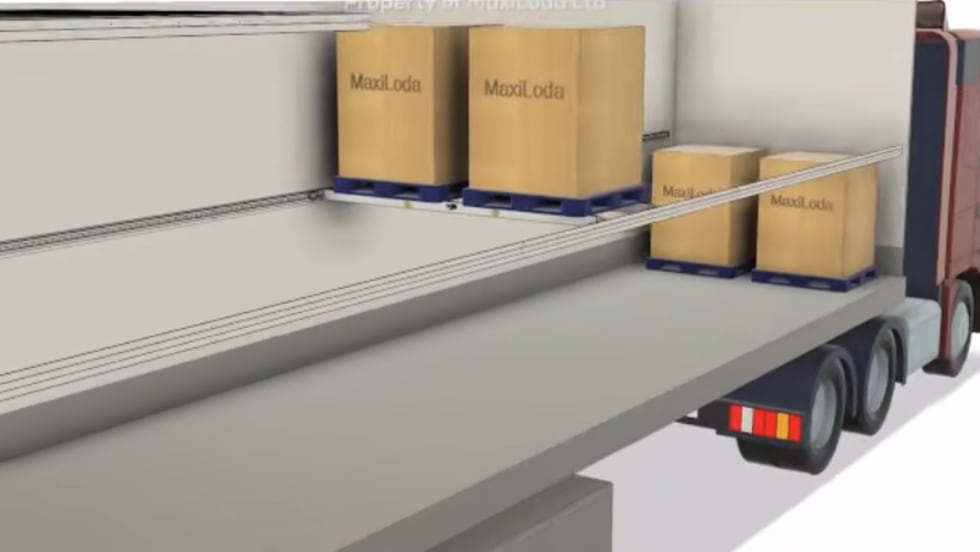
How Maxiloda’s Glide System Unlocks Hidden Trailer Capacity
By turning unused vertical space into usable capacity, Maxiloda’s Glide system helps fleets move more freight per trip while reducing loading risks and equipment damage.
Read More →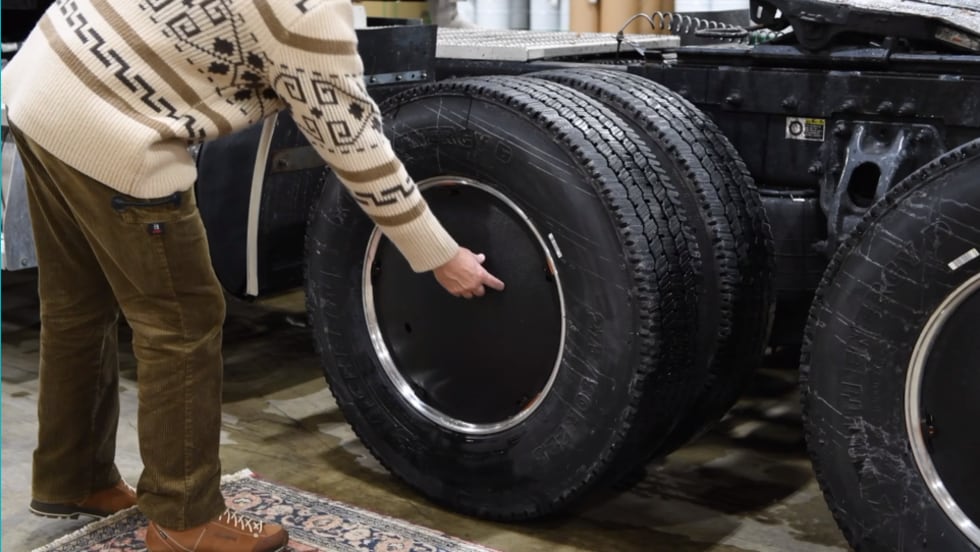
Deflecktor: Hubbub Aerodynamic Wheel Cover Cost-Effective Even for Trailers
Aerodynamic wheel covers can deliver small but meaningful fuel-economy gains for fleets, and Deflecktor says its latest design aims to make the technology easier and more affordable to deploy.
Read More →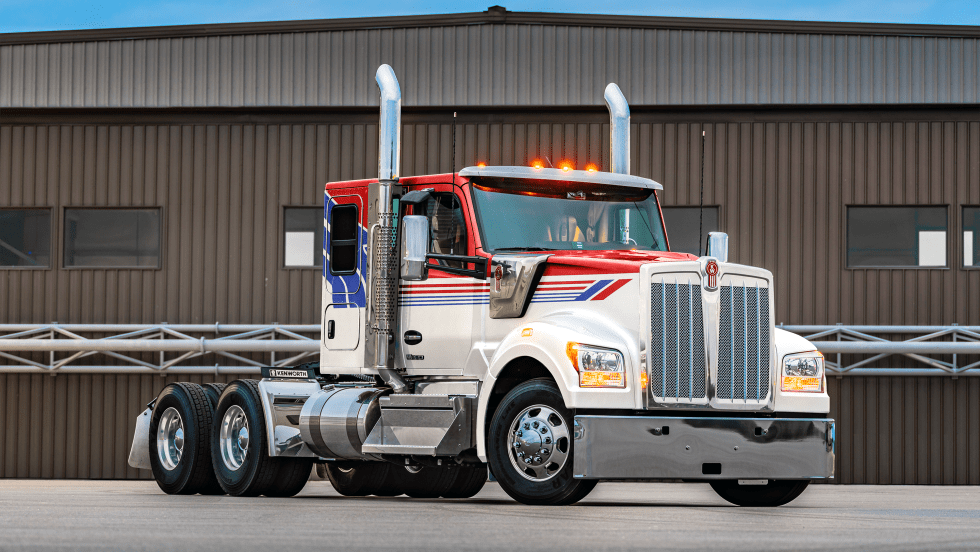
Kenworth Revives Iconic 'TourAmerica' Paint Scheme
Kenworth’s new, limited-edition scheme celebrates trucking heritage while supporting a nationwide mobile museum tour.
Read More →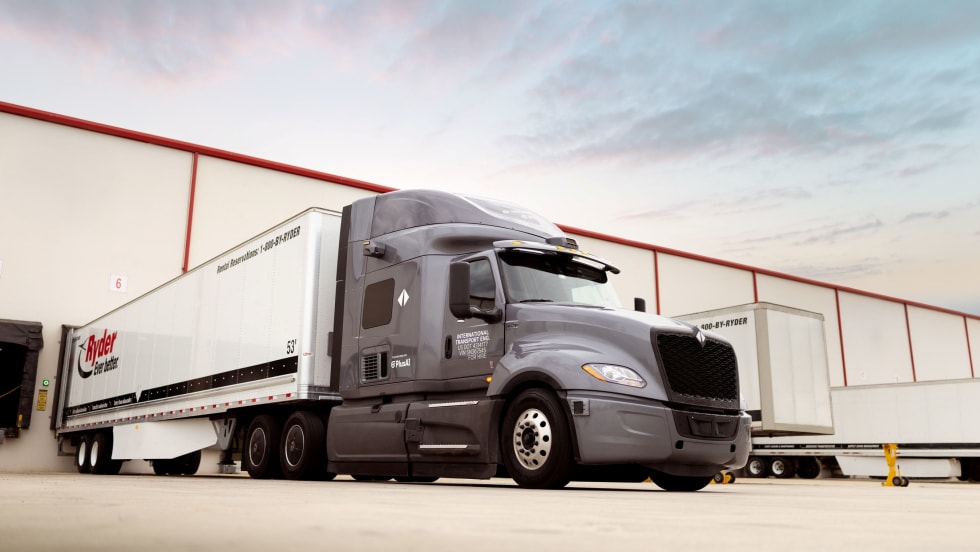
Ryder Joins International’s Autonomous Truck Pilot on Texas Freight Lane
Ryder and International take autonomous trucking out of the lab and onto a live, 600-mile Texas freight lane.
Read More →
FTR: Class 8 Orders Stay Hot in March Despite Monthly Dip
Fuel prices aside, Class 8 demand remains elevated as freight fundamentals improve and fleets regain confidence in long-term investments.
Read More →