





If you were serious about getting the best odds on a pro basketball bet, you'd research the heck out of the starting lineups, and know in advance that Kobe Bryant's sprained ankle doesn't seem to be much of a liability
Tracking Tire Performance
If you were serious about getting the best odds on a pro basketball bet, you'd research the heck out of the starting lineups, and know in advance that Kobe Bryant's sprained ankle doesn't seem to be much of a liabilit
March 12, 2010
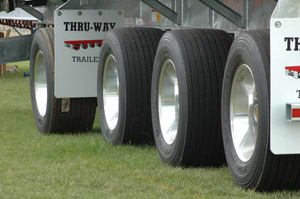
So many brands of tires, so many wheel positions, so many options. Data tracking can help evaluate tire performance. (Photo by Jim Park)
6 min to read
at all. The Lakers have gone four-and-oh since he was sidelined, posting a profitable mark of 3-1 against the spread in those games. Knowing who is in, who is out, who is hurt, and who is hurting gives you an edge in guessing the spreads. Knowing the numbers pays in betting.
The same applies in truck maintenance - except the outcome should be less of a gamble.
A good tire tracking program - and we don't mean software in this instance - can reveal your tire cost per mile to five digits right of the decimal point using just simple arithmetic and basic spreadsheet skills. More advanced programs - now we're talking software - can also tell you that tire cost per mile remains constant down to 6/32s of an inch on drive tires, but below that, costs spike upwards.
Why? The software might not reveal the reason why, but it provides clues. Careful analysis might show, for instance, that puncture wounds occur more frequently as the tread becomes thinner, which would reveal an increase in costs due to on-road failures between 6/32s and 4/32s. Next, you'd want to assess the cost/benefit of pulling the tires at 6/32s rather than 4/32s to minimize the likelihood of a puncture and a road-service call while giving up 2/32s of tread life.
You can't do that if you're just eyeballing your tires, but even a paper and pencil system is better than guessing.
Goodyear's commercial tire marketing communications manager, Tim Miller, speaks highly of the Technology and Maintenance Council's Recommended Practice number 208 - designed to track and analyze durability and operating costs.
"TMC's RP 208 is a great model for tracking tire expenses," he says. "It works whether you manage only a handful of vehicles and fill in the worksheets with a pencil, or if you're inputting data electronically from a much larger fleet."
The RP 208 template is limited, however, to tracking and revealing raw costs. It was not designed to track individual tires. It won't track wear rates, provide failure analysis, or monitor fuel economy differences across various tire brands and models.
But as the fleet size increases, keeping records the old-fashioned way becomes more difficult - and labor intensive. The data you get is only as good as the information you put into your system, and what you get out of it varies with the complexity of the system. Taking tire management and performance tracking to a higher level requires a tire management system.
Unique identifiers
Even a relatively simple performance tracking system requires a unique identifier on each tire. Branding is one option, says Doug Jones, customer engineering support manager for Michelin Americas Truck Tires. Bar coding, chipping and RFID tags are others.
"Branding is the simplest method, but requires manual data entry for the life of the tire; writing down the number or putting it into the system with a keypad or something," he says. "Bar coding allows the identifier to be scanned with a reader, which will flow the information into the tracking program automatically."
The next step up, he explains, is chipping, or inserting a computer chip into the tire that can be scanned with a reader. Dumb chips, like bar codes or brands, just identify the tire. Smart chips and RFID tags will record and store data from the tire for input to the system. These can provide pressure readings at intervals, high and low pressure readings, mileage, high temperature indications, etc.
Bar code patches and RFID tags are available from suppliers such as Tire-Track LLC. These are customer-installed devices attached to or mounted inside tires for tracking purposes. The tag has to become a permanent part of the tire to provide cradle-to-grave tracking. Some products will withstand the retread process; others will not, so buy carefully.
Jones says RFID tagging is still pretty expensive because it's new, so it's not as common as bar coding. "Plus," he notes, "You have to keep the tag with the tire, and that could create problems when remounting tires after service or during retreading. If you mix up the tag with another tire, your data is at risk."
RFID technology will become more common, and currently, the tire makers, along with TMC and the Society of Automotive Engineers, are working on protocols so that going forward, there will be compatibility across tire brands and hopefully the tracking software providers too.
Identifying individual tires takes performance tracking to the next level. The most basic function available would be tracking on and off mileage and inventory control. Both useful in their own right, but from there, the sky is the limit.
Data mining
For some fleets, simply tracking on and off mileage and recording pressure checks is sufficient. But more sophisticated fleets - and that doesn't necessarily mean bigger - can harvest and aggregate data in ways that make your head spin. You now can, for example, compare Michelin versus Bridgestone steer tires on the right or left position on a Freightliner Cascadia in long haul versus local service, or track wear patterns on different brands of tires mounted on Kenworth suspensions versus Mack suspensions.
That's in addition to basic inventory control, casing control and warranty claims management. The advantage of the more sophisticated software packages is that they are often menu-driven, and priced by the options you need to track.
Squarerigger's Revolution Tire Management System starts with a wireless handheld data collection tool called Inspector. It eliminates data entry by capturing tread depth and pressure readings wirelessly and flows that information directly to your database. Menu options on the reader allow you to bring up specific vehicles, where tire data has previously been entered. After scanning the tire with the bar code reader, users record current inspection data, including pressure and tread depth at up to three positions on the tire.
Data can be entered manually via a key pad or a stylus, or with the optional Quick-Check probe. It's a Bluetooth device that checks tread depth and pressure in seconds, and flows it to the handheld Inspector.
"The learning time for the device is about five minutes," says Squarerigger's Nathan Walker. "A complete yard check of a three-axle tractor would typically take less than five minutes. It's highly visual, with an axle footprint icon that shows the position of the tire. That links to a similar screen on the desktop application to maintain continuity."
There's a screen on the reader where tire wear or damage is noted, using standard VMRS codes.
In the desktop application, standard maintenance functions such as tire rotation can be noted and recorded in a simple drag-and-drop function. Tires can be switched from unit to unit, axle to axle, moved to inventory, taken out of service, or shipped out for retreading. And with two-way data exchange, changes made in the desktop are automatically uploaded to the Inspector.
Suffice it to say, if there's some detail that needs to be captured related to your tires, this package does it.
Where the system really shines, notes Ed Cooper, is when you subscribe. "There's a function which uploads blind data to our data center over night. We track brand, vocation, type of equipment, etc., and we aggregate the data from customers all over the world, for all different types of equipment, manufacturers, sub-models, and so on. We can then provide information back to fleet, based on a sampling of a million tires rather than just across your fleet, with everything a fleet could want to know about any tire brand's performance in any application at any wheel position on any piece of equipment," says Cooper. "We'
Subscribe to Our Newsletter
More Equipment
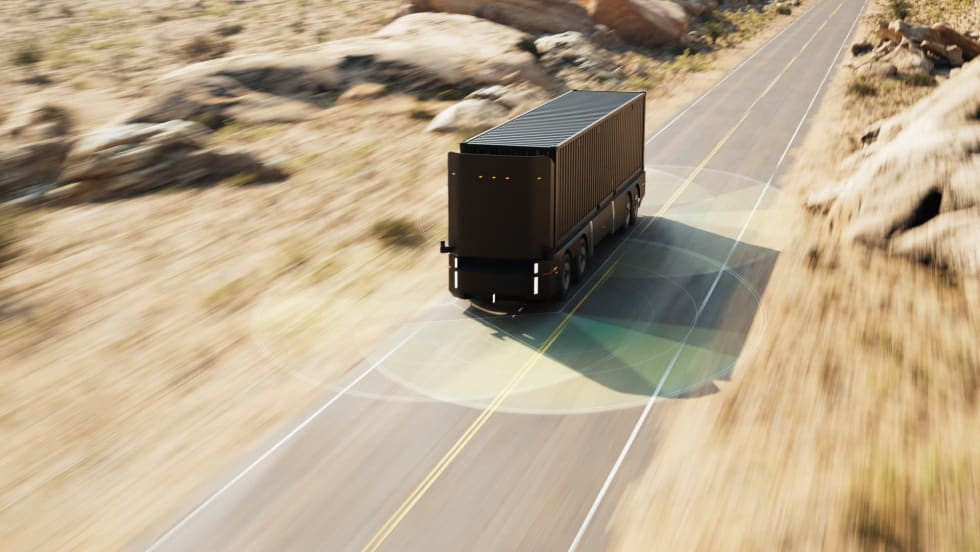
Autonomous Start-Up Humble Announces Cabless Autonomous Electric Hauler
A new autonomous truck startup company is targeting yard, port, and short-haul freight with a lighter, fully autonomous platform designed for dock-to-dock moves.
Read More →
Top Green Fleets of 2026: Nomination Deadline Extended
Is your company a leader in sustainability efforts among trucking fleets? If so, Heavy Duty Trucking's editors want to hear from you.
Read More →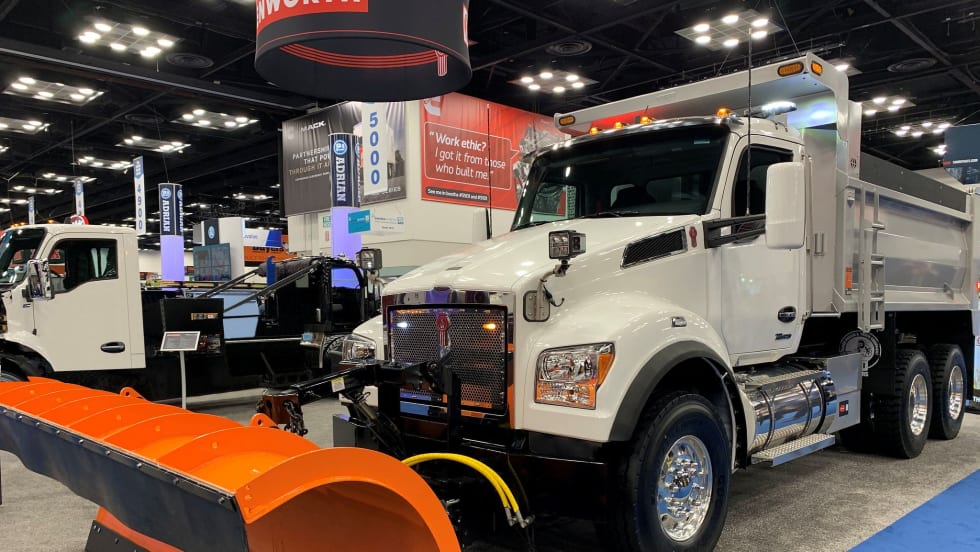
Kenworth Announces Reinforced Front Frame Option for T880 and T880S Models
Kenworth has released a factory-installed reinforced front frame option for T880 models, designed to simplify upfits, cut costs, and speed time to service.
Read More →
Stoughton Rolls Out PureBlue Reefer Trailer, Raises Safety Bar With 40-mph Rear Impact Guard
Stoughton’s new refrigerated trailer platform delivers double-digit efficiency gains while a next-generation rear impact guard exceeds current crash standards.
Read More →
New Lightweight Wheel Cover Targets Simpler Aero Gains [Watch]
Watch to learn how Deflecktor's new wheel cover design is taking a simpler approach to aerodynamics, with an eye toward making it more practical for both trucks and trailers.
Read More →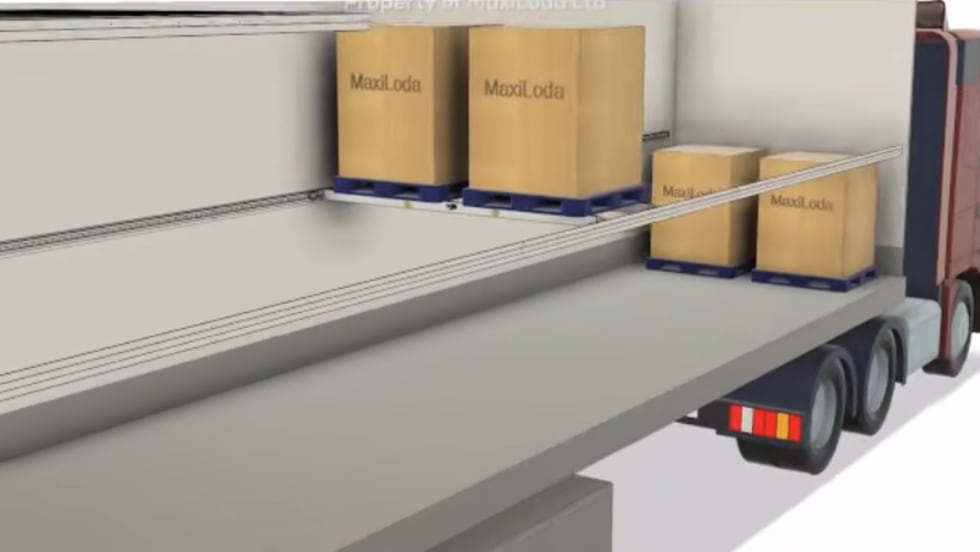
How Maxiloda’s Glide System Unlocks Hidden Trailer Capacity
By turning unused vertical space into usable capacity, Maxiloda’s Glide system helps fleets move more freight per trip while reducing loading risks and equipment damage.
Read More →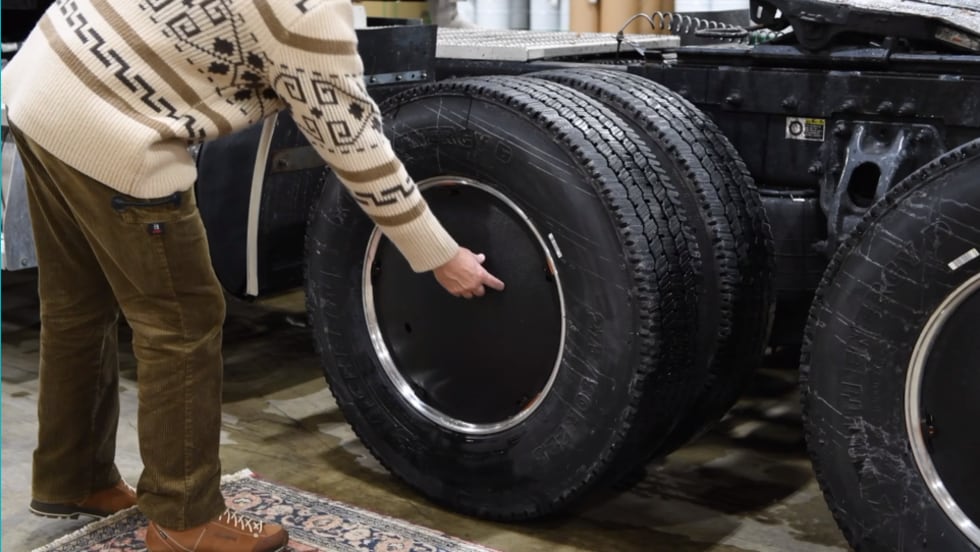
Deflecktor: Hubbub Aerodynamic Wheel Cover Cost-Effective Even for Trailers
Aerodynamic wheel covers can deliver small but meaningful fuel-economy gains for fleets, and Deflecktor says its latest design aims to make the technology easier and more affordable to deploy.
Read More →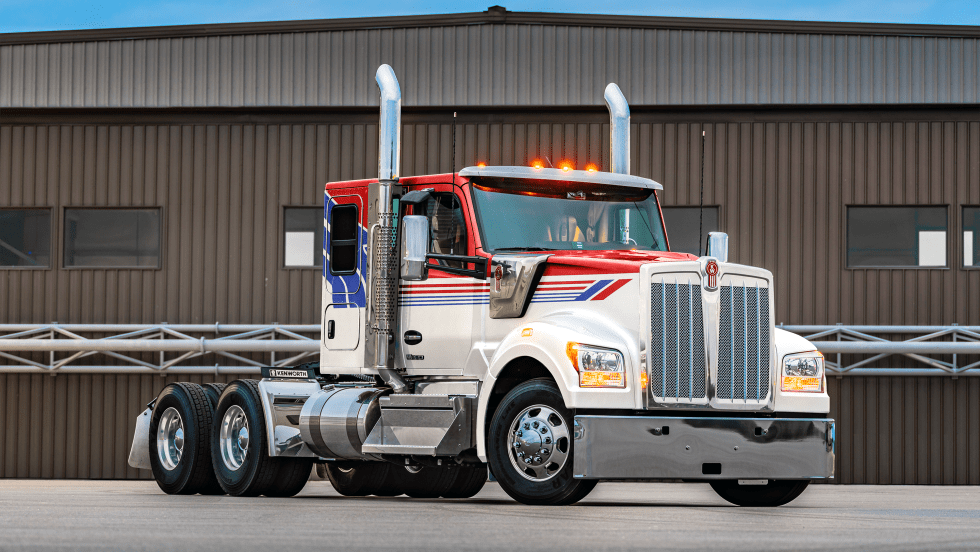
Kenworth Revives Iconic 'TourAmerica' Paint Scheme
Kenworth’s new, limited-edition scheme celebrates trucking heritage while supporting a nationwide mobile museum tour.
Read More →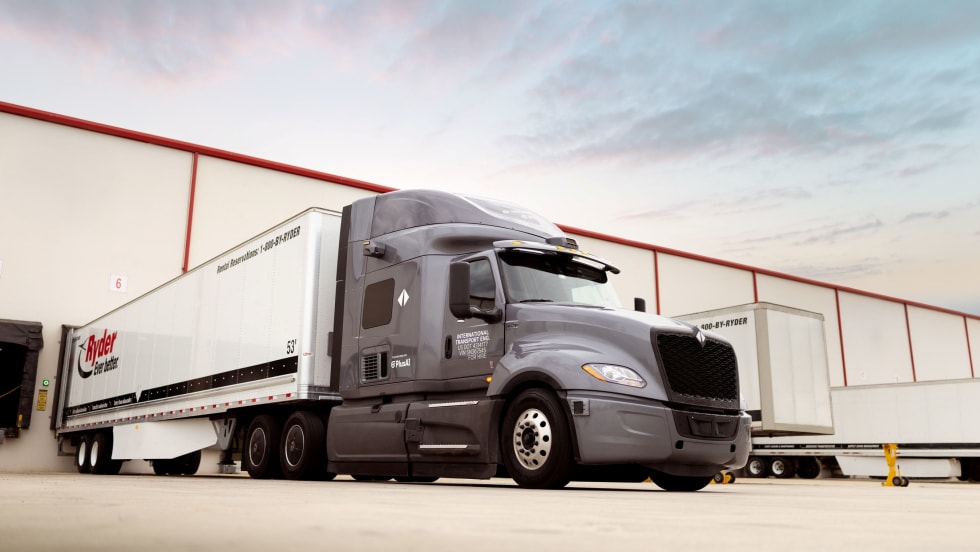
Ryder Joins International’s Autonomous Truck Pilot on Texas Freight Lane
Ryder and International take autonomous trucking out of the lab and onto a live, 600-mile Texas freight lane.
Read More →
FTR: Class 8 Orders Stay Hot in March Despite Monthly Dip
Fuel prices aside, Class 8 demand remains elevated as freight fundamentals improve and fleets regain confidence in long-term investments.
Read More →