





The wear demons don't discriminate between standard and wide-base single tires. With a few exceptions, the kinds of irregular wear that standard tires exhibit will appear on wide-base singles, too.
Uneven Wear on Wide-Base Single Tires
The wear demons don't discriminate between standard and wide-base single tires. With a few exceptions, the kinds of irregular wear that standard tires exhibit will appear on wide-base singles, too
August 15, 2011
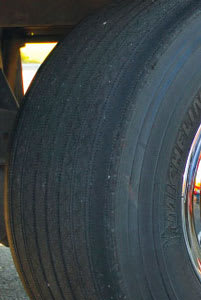
Shoulder wear on wide-base singles is a common problem.
2 min to read
In a recent fleet survey done by the American Trucking Associations' Technology & Maintenance Council, managers reported nothing exceptional with wide singles in free-rolling positions, though many noted that some wide singles seemed more susceptible to certain types of wear under certain conditions.
Misalignment and low inflation pressures are the most common culprits, noted Guy Walenga, Bridgestone's director of engineering for commercial products, at a tire seminar last summer. "The wear associated with pressure variations and alignment is consistent with dual tires, but it can be exacerbated on the wide-base singles," he said.
One type of wear associated with wide-base singles - inside shoulder wear, especially on trailers - is getting a lot of attention. While it's fairly common on the inner tire of a dual assembly on trailers, it hasn't been viewed as a big problem.
"Fleets usually don't use premium tires on trailers, or they run out steer and drive tires back there until they are retreaded, so fleets have not been overly concerned about inside shoulder wear on dual tires," says Doug Jones, Michelin's customer engineering support manager. "It's a different situation now that fleets are using wide-base singles on trailers. The cost of the tire is a factor. When the inside shoulder wear shows up, it creates a lot of consternation."
The causes of inside shoulder wear are generally the same across the two types of tire: axle misalignment, load-induced camber, low inflation pressure, and in some cases, neglect.
"We've looked at a number of things, but we all know that trailers are often not properly aligned, tire pressures are low and all of that," says Jones. "What we have found is that if a fleet is diligent with tire pressures, and the trailers are properly aligned, inside shoulder wear on wide-base singles is minimal. In some instances they don't even see it."
Why some fleets have problems and others do not remains a pressing question. The tire makers are looking into it now, and TMC has convened a task force to get to the root of the problem.
Subscribe to Our Newsletter
More Maintenance

Questar Adds AI-Driven Repair Recommendations to Fleet Maintenance
Questar’s latest maintenance platform uses AI to flag potential failures, recommend repairs, and estimate the cost of waiting, helping fleets prioritize maintenance and save money and downtime.
Read More →
API Formally Approves Next-Gen Engine Oil Category for 2027 Engines
Heavy-duty engine oil marketers can begin finalizing formulations and preparing product packaging to meet the new oil specifications ahead of the January 1 licensing date.
Read More →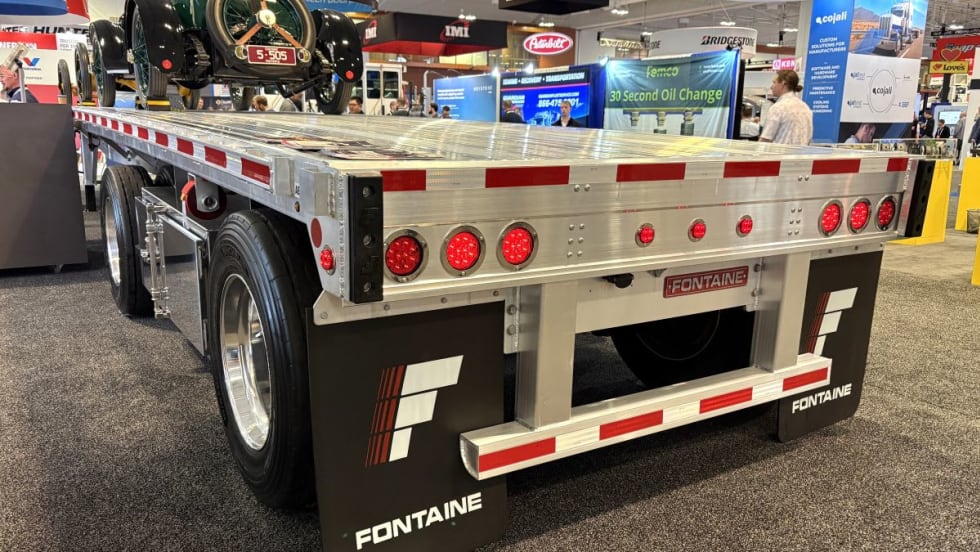
Fontaine Expands Flatbed Lineup with New Fleet-Focused Models, Eyes 2027 Launch
Fontaine is broadening its flatbed lineup with new models aimed at fleets, including a lightweight aluminum trailer expected in 2027 that emphasizes durability, repairability, and lower cost.
Read More →
Fullbay Acquires Pitstop to Strengthen AI-Powered Predictive Maintenance
Pitstop AI will use Fullbay's extensive shop data to drive predictive maintenance for trucking fleets and repair shops.
Read More →
HDT Honors the Best New Products of 2025 at TMC [Photos]
Heavy Duty Trucking's Top 20 Products awards recognize the best new products and technologies. Check out the award presentations at the 2026 Technology & Maintenance Council annual meeting.
Read More →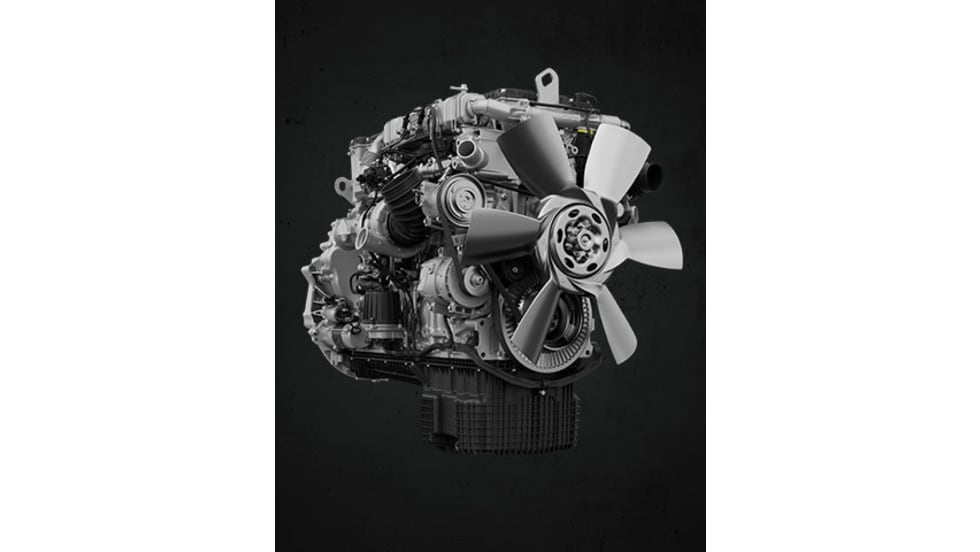
Sponsored•March 31, 2026
Detroit Engines: Trusted Performance, Built for What's Next
The Detroit® Gen 6 engine platform proves that real progress doesn’t require a complete redesign. Built on 20 years of trusted technology, these engines are designed for efficiency, stronger performance, and greater reliability than before. And they do it all while complying with 2027 EPA standards on every mile.
Read More →
EPA Targets DEF Sensor Failures Behind Truck Derates
New guidance allows engine makers to replace problematic DEF sensors with NOx-based systems, aiming to reduce unnecessary derates and downtime caused by failures in the sensors designed to monitor diesel exhaust fluid on trucks.
Read More →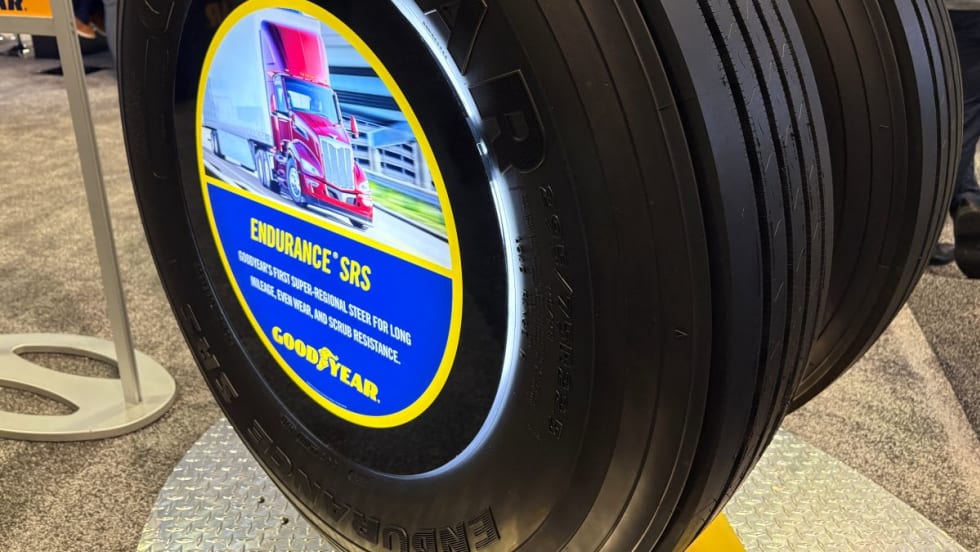
Goodyear Targets ‘Super-Regional’ Sweet Spot with New Steer Tire
Goodyear is preparing to roll out a new steer tire designed to bridge the gap between regional and linehaul for trucking fleets.
Read More →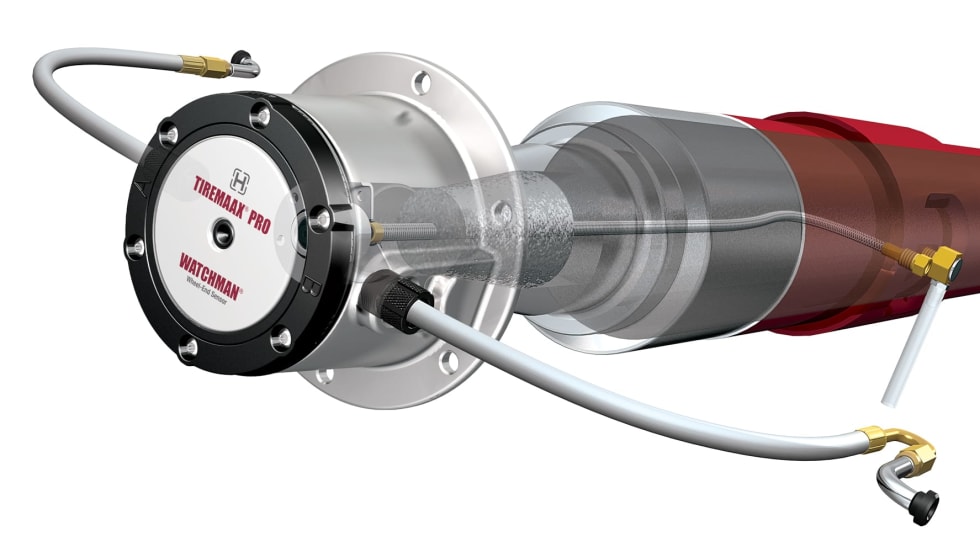
Hendrickson Unveils Watchman Smart Wheel-End System at TMC
Hendrickson’s new sensor platform integrates with its TireMaax system to deliver real-time tire and wheel-end insights, targeting uptime and cost savings.
Read More →
Over-the-Air Updates and the Modern Powertrain Explained
Over-the-air updates are moving beyond recalls, and expanding how fleets manage performance, compliance, and uptime.
Read More →